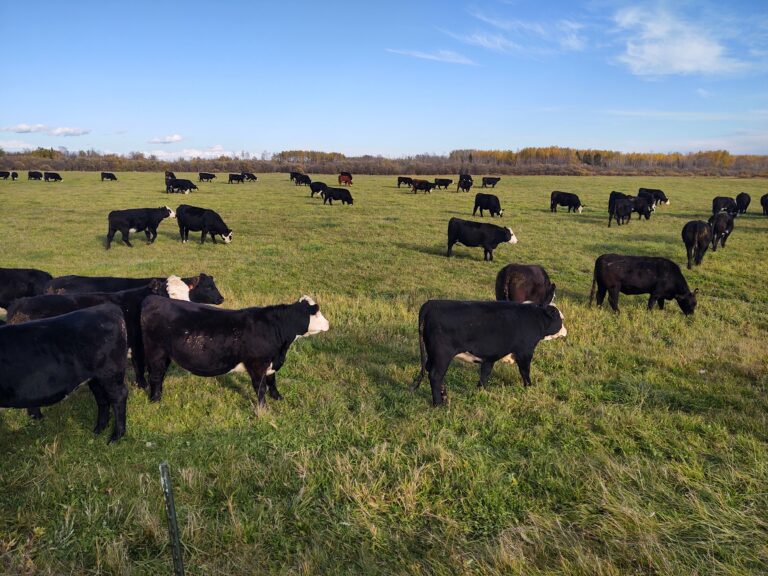
February is National Sheep Month! Throughout the month of February, we’ve shared some information about sheep: the industry in the US; sheep products like meat, milk, and fiber; and some pictures of some very, very cute sheep on our social media pages. Here, find all of our sheep information right in one place!
A bit about sheep…
Have you ever had lamb or mutton? A study by the American Lamb board shows that approximately 40% of American consumers have never tried lamb. Consumption per capita and sheep numbers fell drastically from the 1880s to the early 2000s, but recently there has been an uptick in lamb consumption. Still, the sheep sector accounts for less than 1% of US livestock receipts.
Many think this lack of consumption overall is simply because consumers haven’t tried lamb- they aren’t familiar with it, they don’t know how to prepare it, and it costs more per pound than other protein options like beef or pork. In general, sheep are less widely known as animals than say, cows or pigs. (Don’t worry, they’ll get their month too!)
But this month, designated as National Sheep Month, we’ll share some information with you about sheep- as animals, as an industry, and as food and fiber we consume.
Sheep in the US
When the last USDA Census of Agriculture was released in 2024, they published some industry inventory numbers. In the entire US, 88,853 farms have 5,104,328 sheep.
In Minnesota, there were 2,137 farms that collectively had 109,592 sheep and lambs. The majority of these farms had less than 25 sheep.
Contrast that with the top producing sheep state in the US: Texas. Their 12,344 farms and 612,917 sheep greatly outnumber Minnesota’s numbers. Still, most of those farms had 25 or less sheep, but there were also larger farms that had sheep numbering into the thousands.
Why would individual farmers have such a small number of sheep? For some, sheep are raised for the family’s consumption. Some farmers direct market their animals, just like with beef, pork, or chicken. Some flocks are for genetic improvement, for show stock, used in grazing programs alongside cattle, or are fun side projects for farmers and their families.
Whatever the reason and no matter the number, farmers who raise sheep care about the industry. Keep an eye out for our February blog, featuring our volunteer Gail, who is involved in the sheep industry and will share some things about her operation!
Sheep Products: Meat
There are two main meat types that come from sheep- lamb, typically from an animal one year old or less; and mutton- from an older sheep, typically two years or more. (Mutton can also mean goat meat, so it can be confusing!) Lamb is typically the preferred type, and it’s what you’re more likely to see in stores. As with other animals we consume for meat, there are a variety of different cuts- everything from chops to bone-in legs to shanks, racks, ribs, shoulder roasts, stew meat, and even ground!
The graphic compares the macronutrient information of 4 oz of ground lamb versus other popular meat proteins- beef and pork. The comparisons (and the similarities!) are interesting, and differences become more apparent when you look at other nutritional information, but what most people are interested in is taste!
Certain cuisines use lamb more than others- Mediterranean and Middle Eastern at the top of the list. If you’d like to give lamb a try, consider dining out for one of those cuisines! Lamb is also available at most grocery stores in the meat department- pick a cut, find a recipe, and give it a try! If you’re still unsure, give a Greek-American Lamb Gyro recipe a try- it uses ground lamb as the feature in a delicious sandwich. We’d suggest J. Kenji Lopez-Alt’s recipe on Serious Eats: https://www.seriouseats.com/greek-american-lamb-gyros-recipe
Sheep Products: Milk
Just like every other mammal, when sheep give birth, they also lactate- give milk. Sheep milk for human consumption isn’t that common in the U.S. Dairy sheep were only introduced to the US in the late 1980s.
The Census of Agriculture doesn’t even track sheep milk on it’s own- it’s lumped in with goat milk. At the last Census of Ag in Minnesota, there were 152 farms that raised sheep or goat milk- and we’re guessing most of those are goat milk producers! Goat and sheep milk together account for only .08% of the annual milk production in the US.
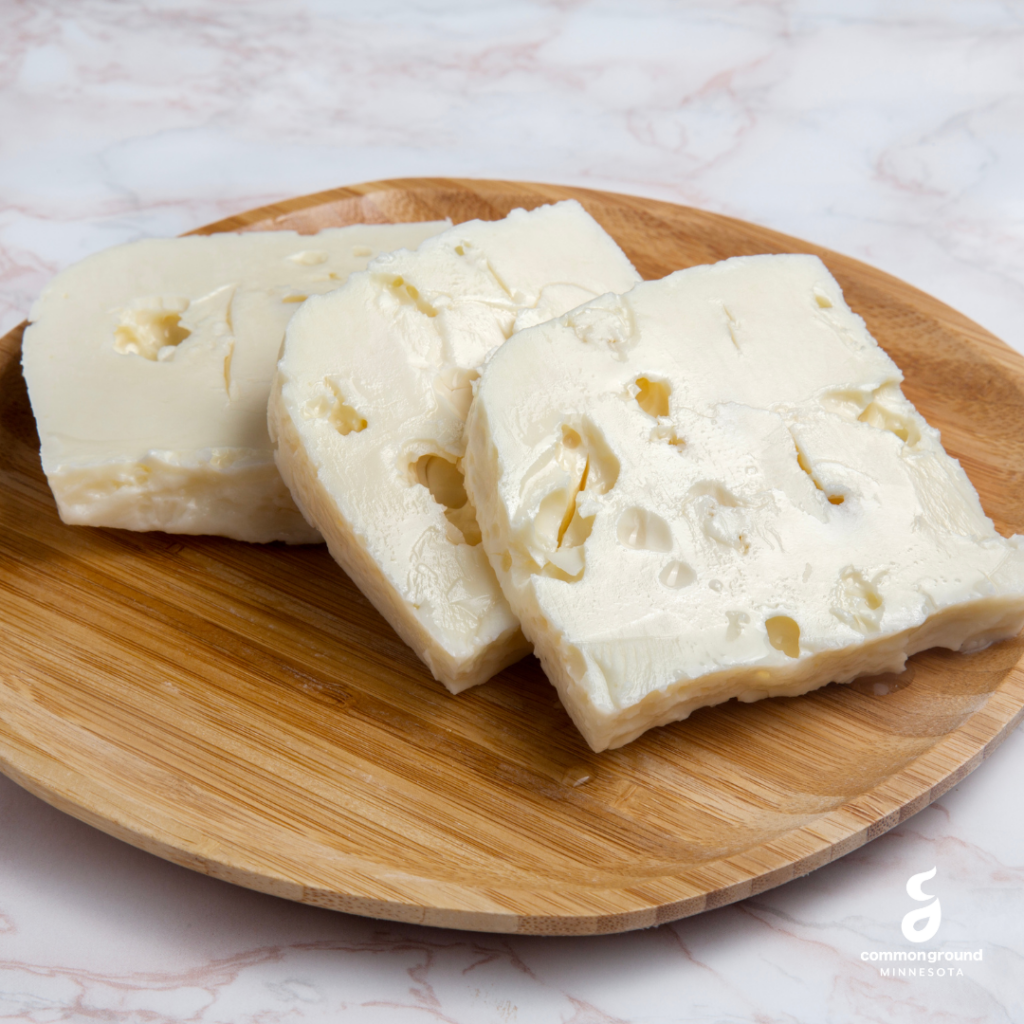
A bit more popularly consumed is sheep cheese. Even smaller grocery stores often have a sheep cheese option like authentic Feta or Manchego. It’s estimated that 95% of all sheep milk is made into cheese in the US, and we typically import more sheep cheese than any other country. The industry is expected to grow- give sheep cheese a try sometime!
Sheep Products: Fiber
Perhaps the most widely thought of use for sheep is their fiber! 371 farms produce around 30,000 pounds of wool each year in Minnesota, and nationwide11,261 farms produce just under 850,000 pounds of wool each year.
Wool as a fiber is making a comeback in a big way, edging out synthetic fibers due to its durable fire resistant, odor resistant, moisture wicking capabilities along with the fact that it is a biodegradable, renewable resource. If you haven’t tried wool clothing, you’ve got to give it a try- merino wool in particular is great for all seasons.
In an effort to promote wool, many sheep shows have a “lamb lead” class, where the exhibitor wears wool garments. This center picture is of one of our farmer volunteer’s children participating in the lamb lead class at their county fair last summer.


Sources
https://www.sheepusa.org/blog/newsmedia-sheepindustrynews-pastissues-2017-june2017-opportunitiestoexpand | https://lambboard.com/ | https://www.ers.usda.gov/topics/animal-products/sheep-lamb-mutton/sector-at-a-glance | https://www.healthline.com/nutrition/foods/lamb#nutrition | https://www.seriouseats.com/greek-american-lamb-gyros-recipe | Open Nature ground meat product labels | UW- Madison’s Guide to raising dairy sheep | USDA Census of Agriculture | New York Times | F.X. Milani, W.L. Wendorff, Goat and sheep milk products in the United States (USA), Small Ruminant Research, Volume 101, Issues 1–3, 2011 | Dairy Business Innovation Alliance | USDA Census of Agriculture | American Wool