Protecting our passion.
People. Planet. Profit.
Farmers are continually working to improve and protect our communities, our natural resources, and our livelihoods.
Sustainability
What does
sustainability look like?
Sustainability is made up of three parts: social, environmental, and economic. Sometimes called “pillars” or “legs,” these three areas are all essential to ensure true sustainability. A practice can be environmentally friendly, but if it is not economically feasible, it is not sustainable. A practice can be environmentally friendly and economically feasible, but if it is not accepted in the community, it is not sustainable.
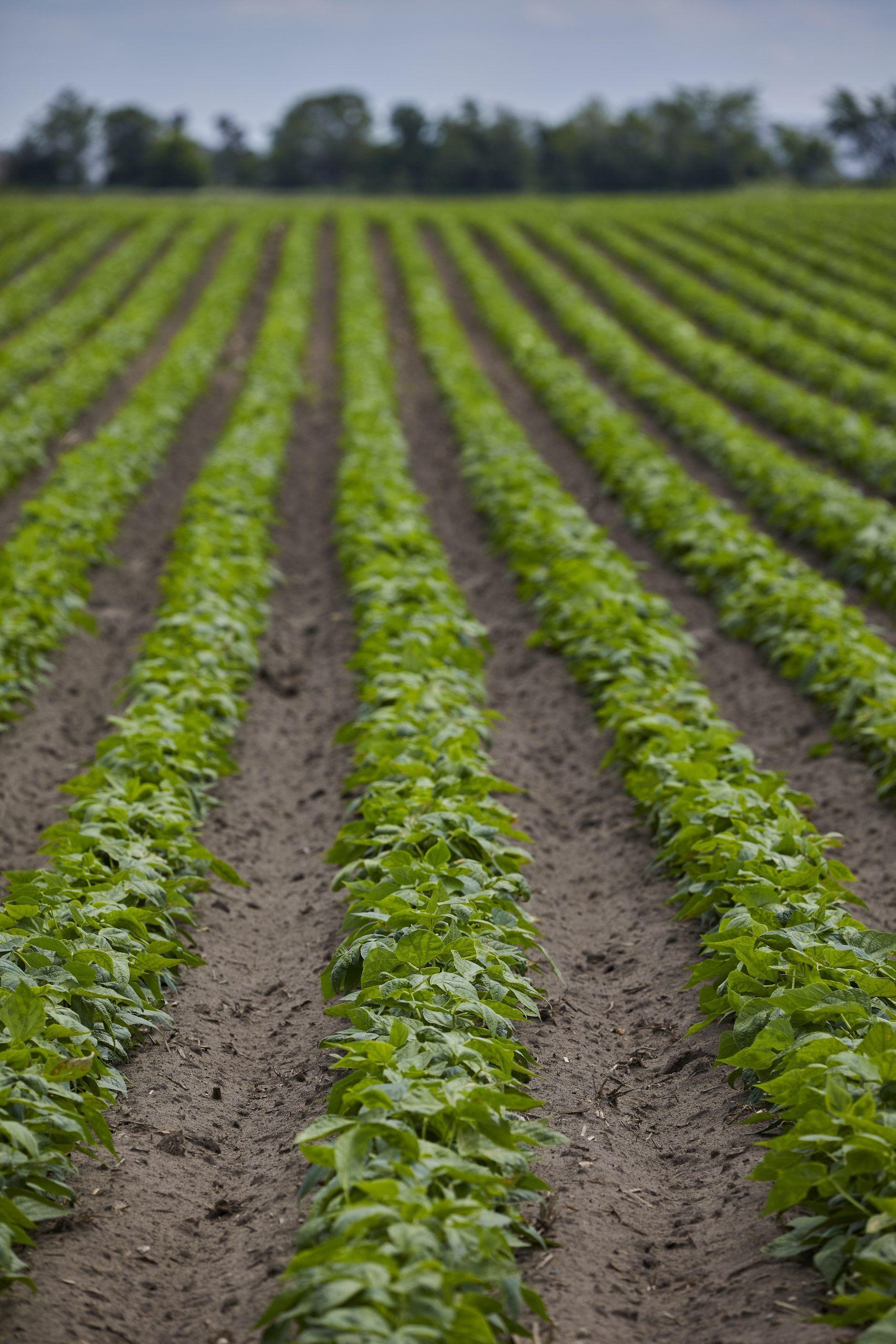
Sustainability looks different on every farm. That’s because each farm has its own unique climate, soil type and other factors that farmers have to take into account. There are, however, some common practices that farmers use to better protect and maintain our soil, water and air resources.
Common
Practices
SOME WAYS FARMERS PRACTICE ENVIRONMENTAL SUSTAINABILITY.

Crop Rotation
By planting different crops in a planned sequence in each field, farmers are improving soil health, controlling weeds and pests, and reducing the need for pesticides and fertilizers.

Manure Management
Modern livestock farms use manure storage and handling structures that safely contain manure until it is applied to cropland as fertilizer.

Water Management
Farmers are using wetlands, buffer strips and subsurface drainage to manage the flow and drainage of water while preserving the nutrients in their soil.

Reduced Tillage
By reducing or eliminating tillage, farmers are able to build organic matter in the soil, which helps to retain moisture and to reduce soil erosion and runoff.

Nutrient Management
Farmers are frequently testing their soils, maintaining nutrient management plans and applying nutrients only as needed to reduce over-application and protect water quality.

Precision Farming
New technologies allow farmers to apply the right amount of fertilizer, pesticides and herbicides (weed killers) at the right time to reduce chemical drift and runoff into waterways.
SOME WAYS FARMERS PRACTICE ECONOMIC & SOCIAL SUSTAINABILITY.
Diversification
By diversifying the products grown on the farm, farmers can weather the ups and downs of commodity markets. It’s similar to the old adage of “don’t put all your eggs in one basket.” Diversification can help ensure the economic sustainability of the farm.
Value- Added Markets
Some farmers choose to engage in value- added markets. This means that they do something to their product that adds to it’s original form. An example might be processing their meat into snack sticks, or changing production methods to meet organic certification.
Overall Industry Performance
Without economic sustainability, farmers are at risk of losing their livelihoods- as well as their homes, and oftentimes their family member’s jobs as well. Positive overall industry performance is important to avoid that collapse. When the agricultural community does better, each individual farmer does better.
Employee Relationships
Farmers sometimes employ individuals to help on the farm, especially during peak times (like planting, harvest, calving, etc.) Farmers strive to provide everything necessary to promote social sustainability in this regard- a fair wage, benefits, and safe and healthy working conditions.
Rural Communities
Farmers care about the communities they live in. Farmers give back to their communities through sponsorships and donations to things like local church and youth organizations, schools and sports teams, fire and EMS departments, and more. Many farmers also serve on local township boards, school boards, and county commissions.
Consumer Relationships
If the non-farming public does not approve of practices happening on the farm, they are not sustainable. But how much of the non-farming public can fully explain these practices? Our farmer volunteers are willing to invite you onto their farms and into their lives to show you these practices first hand and answer any questions you might have.
Ongoing improvement.
Making progress in our environmental impact.
U.S. farmers have already made significant progress in reducing our environmental impact. That’s because we want our families – and yours – to reap the benefits of agriculture for generations to come.