March is both National Ag Month and Women’s History Month. Here at CommonGround, those two things are kind of our jam! We’re shedding some light on some women in ag who have made history. Here’s all four installments of the Women in Ag Series in one place.
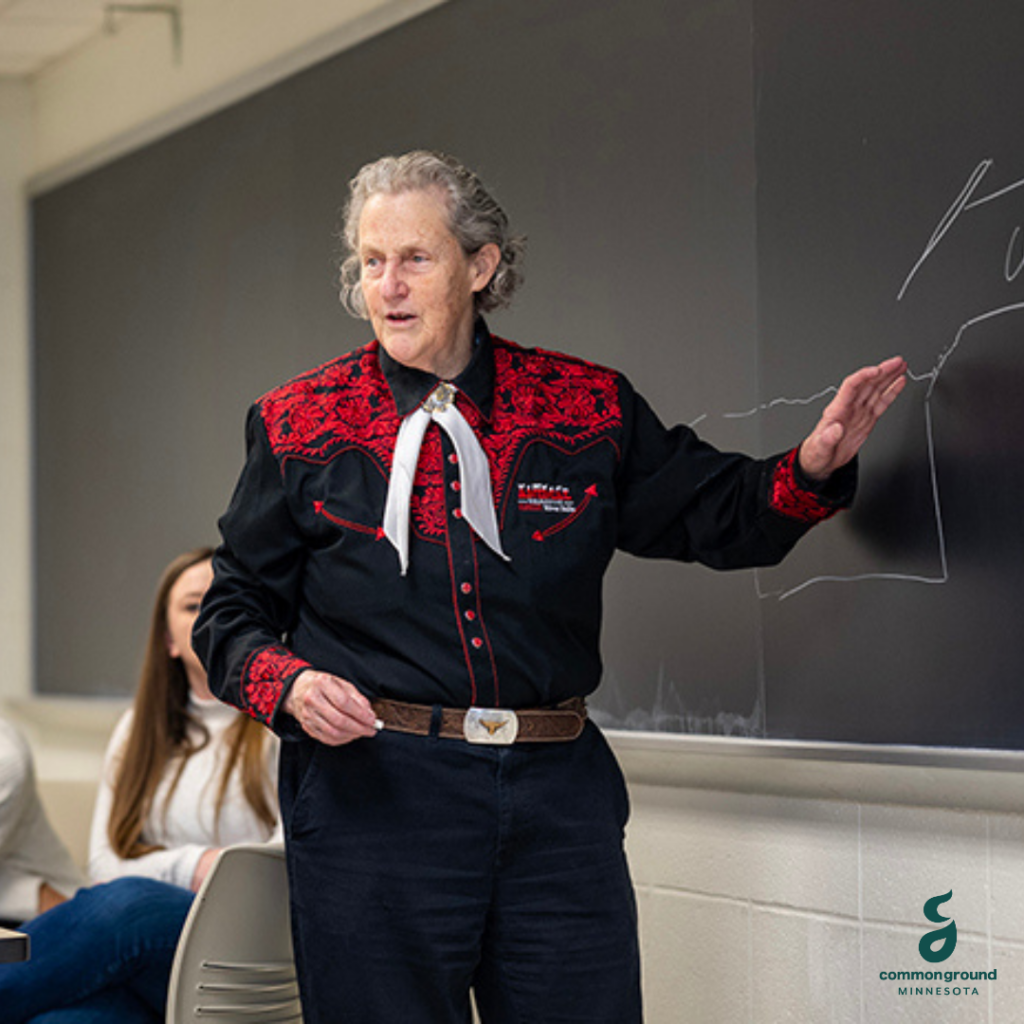
Temple Grandin (1947-present)
Temple Grandin is a renowned scientist, inventor, and author who is a leading expert in the field of humane animal handling. She has authored more than 60 academic papers about animal behavior, has a PhD, and is currently faculty at Colorado State University. She has traveled the country for speaking engagements and had an Emmy and Golden Globe winning biographical movie made about her life.
She accomplished this despite being diagnosed with “brain damage” at age two, which was later identified as autism (a brain scan in 2010 officially cleared her of any “brain damage!”) Today, she remains a strong advocate for autism awareness and has written over a dozen books on the topic.
She actually credits her autistic mind with the ability to “think in pictures” and feel what animals are feeling. The agriculture industry, specifically the animal handling, welfare, beef, and meat sectors experienced positive change by the discoveries and advancements she brought to light. Some of these practices include improved squeeze chutes, conveyor restraint systems, and hog stunning systems.
For more information about Temple Grandin, watch her movie or check out her autobiography: Thinking in Pictures: My Life with Autism.
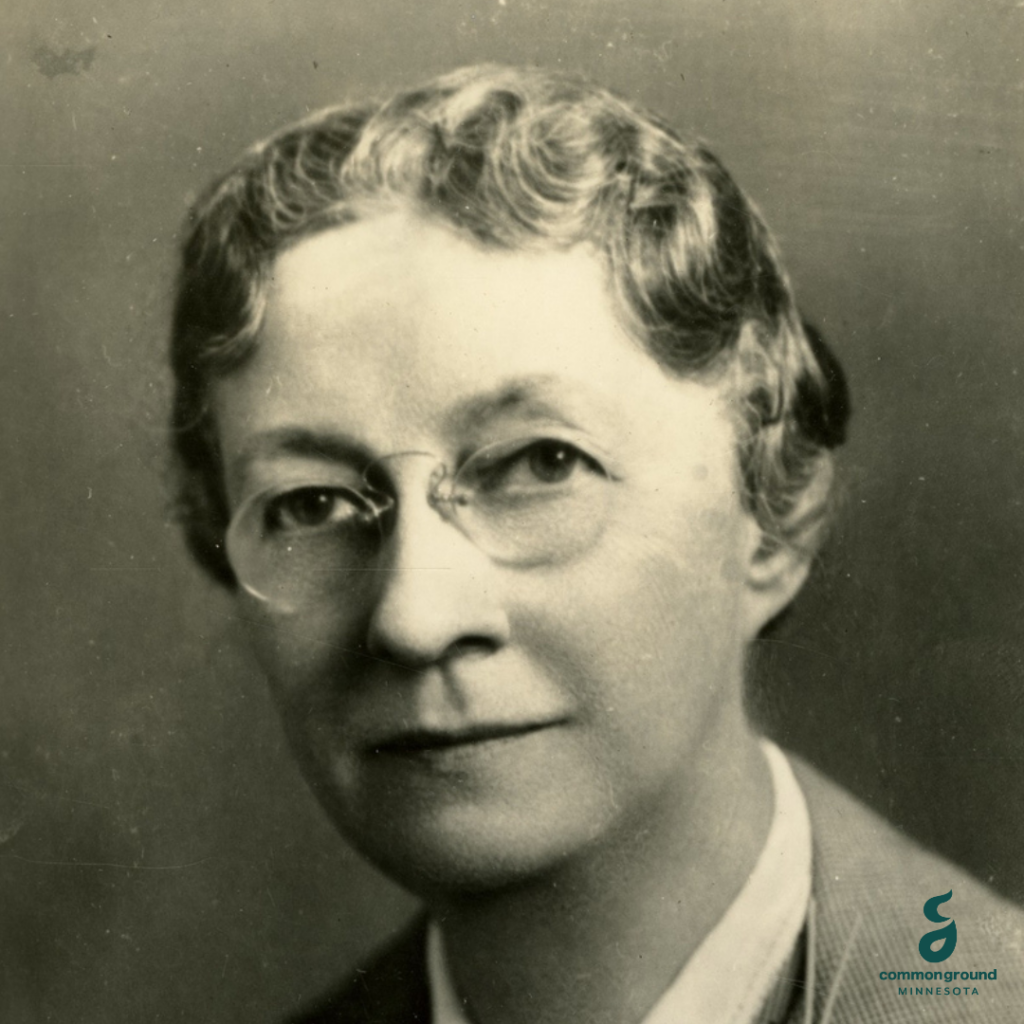
Dr. Mary Engle Pennington (1872-1952)
You probably haven’t heard of the “Ice Woman,” but your daily life is directly impacted by her work. She earned a PhD in 1895 after initially being denied a bachelor’s degree due to her gender. She went on to become the first female lab chief of the USDA Department of Chemistry (now known as the FDA). In that role, she developed standards for safe chicken processing as well as procedures to avoid the bacteria contamination of milk.
Pennington then became a recognized authority on refrigeration. From refrigerated boxcars on the railroad, to refrigerator warehouses, to commercial and home refrigerators, Mary Engle Pennington developed recommendations and standards for construction, insulation, efficiency, and humidity control that led to the safer, longer storage of perishable food products.
She has been recognized (both in her lifetime and posthumously) for her work with the Garvan-Olin Medal from the American Chemical Society, the Notable Service Medal from President Hoover, induction into the National Women’s Hall of Fame, the National Inventors Hall of Fame, and the American Society of Heating, Refrigeration, and Air Conditioning Engineers Hall of Fame. She was also the first woman inducted into the Poultry Historical Hall of Fame.
For more information on Dr. Mary Engle Pennington, check out Women’s Hall of Fame, National Inventor’s Hall of Fame, and USDA and FDA websites.
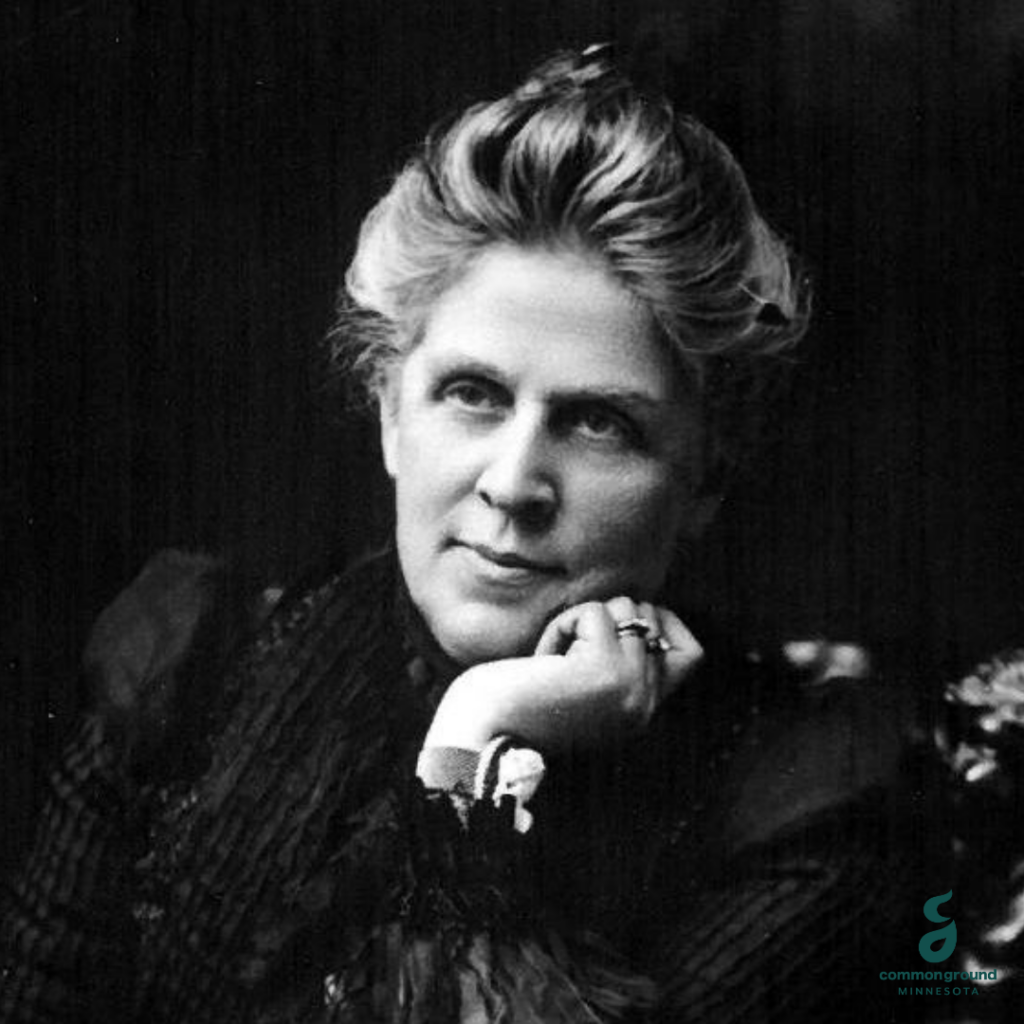
Harriet Williams Russell Strong (1844-1926)
You likely haven’t heard of the “Walnut Queen,” but Harriet Williams Russell Strong was a remarkable woman. Despite becoming widowed with four young daughters to support after her husband’s suicide, and no formal agricultural, engineering, or business school or training, she became a renowned inventor and the primary innovator of water conservation and dry land irrigation techniques in southern California.
She developed a method of conserving flood waters to irrigate her farm’s walnut, olive, pampas grass, and pomegranate crops. This allowed her farm, previously on the brink of foreclosure, to thrive. Less than five years after her changes, she was able to eliminate all the debt on her land and became the leading commercial grower of walnuts in the country- hence the “Walnut Queen” nickname.
She was granted a patent for her dam and reservoir construction and proposed a succession of dams on the Colorado River to conserve flood waters for irrigation and electricity. Her ideas were later implemented into the Hoover Dam and All-American Canal after her death. During her life, she was also a staunch advocate for women’s education, independence, and suffrage rights.
For more information about Harriet Williams Russell Strong, check out the Women’s Hall of Fame, USDA, and US Patents and Trademark Office websites.
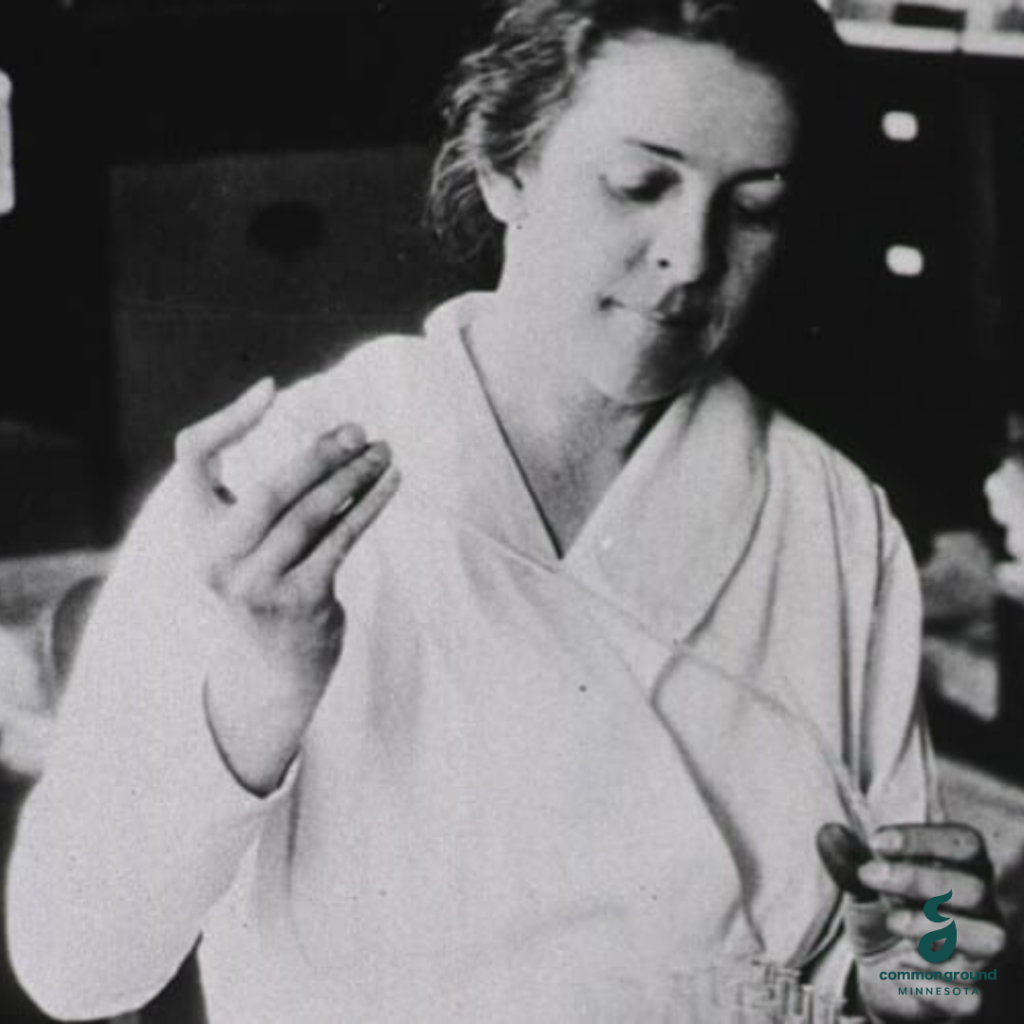
Alice Evans (1881-1975)
Another nickname you probably haven’t heard of: “The Pioneer of Safe Milk.” Alice Evans was a rural teacher when she took a free nature course at Cornell University. This ignited a love for science, and she went on to get a bachelor’s degree in bacteriology from Cornell and a master’s degree from the University of Wisconsin. She then accepted a research position in the USDA’s Dairy division.
In her role at the USDA, she made some controversial discoveries about bacteria that we now categorize in the genus Brucella. It started with a study of the organism Bacillus abortus, which was known to cause spontaneous abortions in animals. The organism was found in cow’s milk, leading Evans to hypothesize that it could infect humans if they drank infected milk. Through research trials, she came to the conclusion that this bacterium was the cause of undulant fever in humans, and advised that raw milk be pasteurized to protect people from this disease.
She published her work in a scientific journal in 1918 but was met with widespread skepticism and outright disbelief. After various other researchers were able to replicate her research, her findings became widely accepted, and the formerly diagnosed undulant fever, Malta fever, and Mediterranean fever were identified as brucellosis. Alice herself was infected with brucellosis during her research.
For more information about Alice Evans, check out the America Society for Microbiology, UW-Madison Alumni Park, and FDA’s websites.