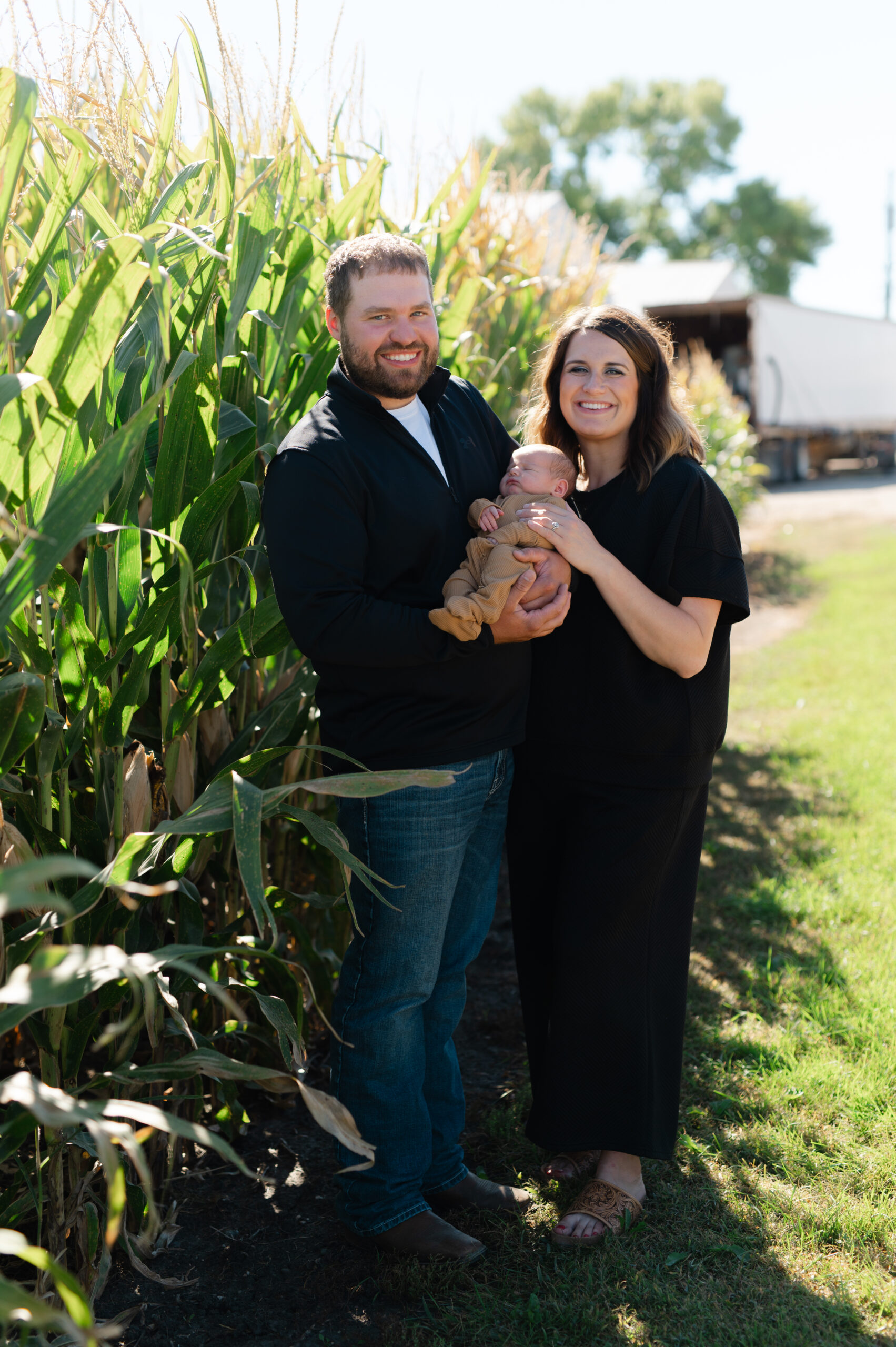
With a mindset of leaving their land better for the next generation, healthy soil is now the focus of Ellyn and Jacob Oelfke’s family farm.
My husband and I are co-owners and co-operators of our farm, HyTest Ag LLC. We fully transitioned the farm from the previous generation in 2020 along with my husband’s sister and her husband, Jessica and Ben Flygare. The transition was important to us because it meant that it is our turn to care for the land in a way that will allow our kids to farm it if they choose to in the future. That is why we have placed conservation at the center of our entire operation. At the onset of taking over, we started looking at some alternative practices to transform the soil on our corn, soybean, and beef cattle farm.
Cover Crops
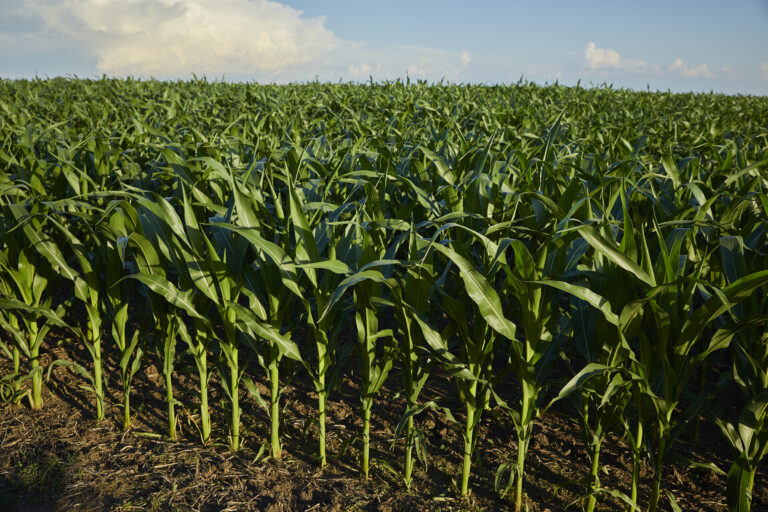
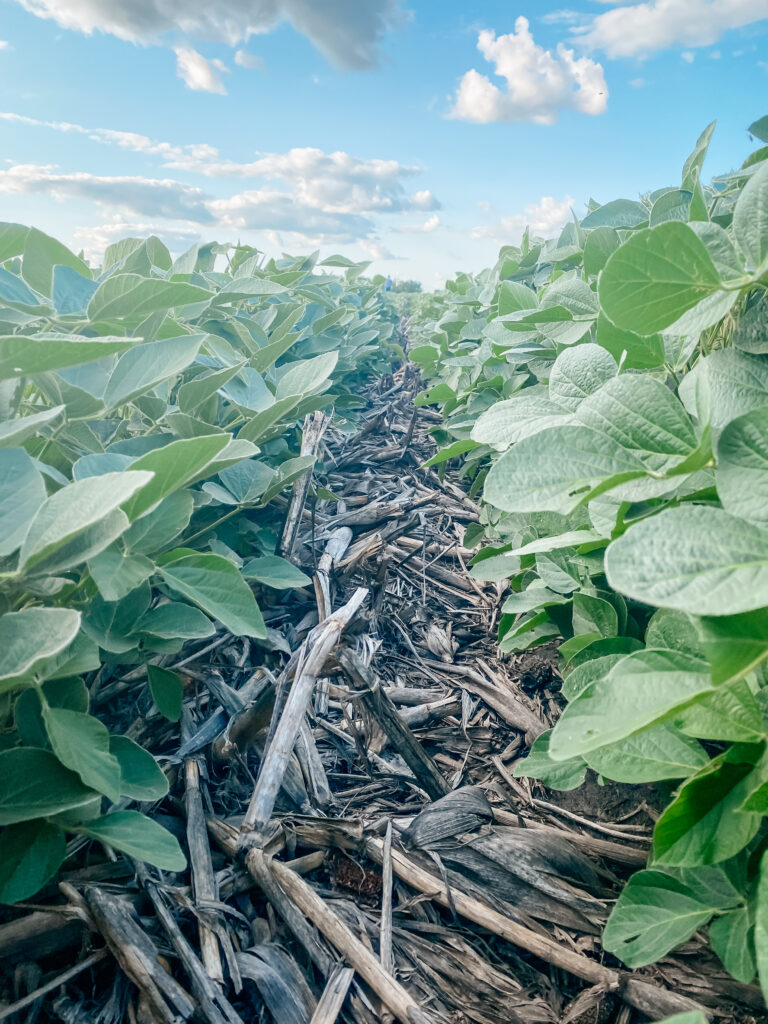
We chose to adopt the use of cover crops on our farm. In particular, we opted to use cereal rye as our primary cover crop. The optimal time for us to plant cereal rye is immediately following harvest in the fall. This method is best if we manage to finish harvest in October because the cover crop has time to get established before the ground freezes. The next spring we plant our cash crops (I’ll use corn as the example here) directly into our fields where the established cereal rye cover crop is growing.
Once this newly planted corn grows to a certain point, we terminate the cover crop. Why? Because once the cereal rye is terminated, it will transfer nitrogen over to the new corn crop. This process provides us with four great benefits:
- If we get the cover crop planted in October/November, we have a crop planted over the winter months. The crop’s roots anchor and conserve our topsoil, which helps to prevent erosion. If we lose our topsoil due to a heavy wind, snow, or rain event, that means we are losing some of the nutrients in it as well. Keeping topsoil in place means that those nutrients are available for the next season’s crop. In addition, it protects our nutrient-rich soil from ending up in local waterways.
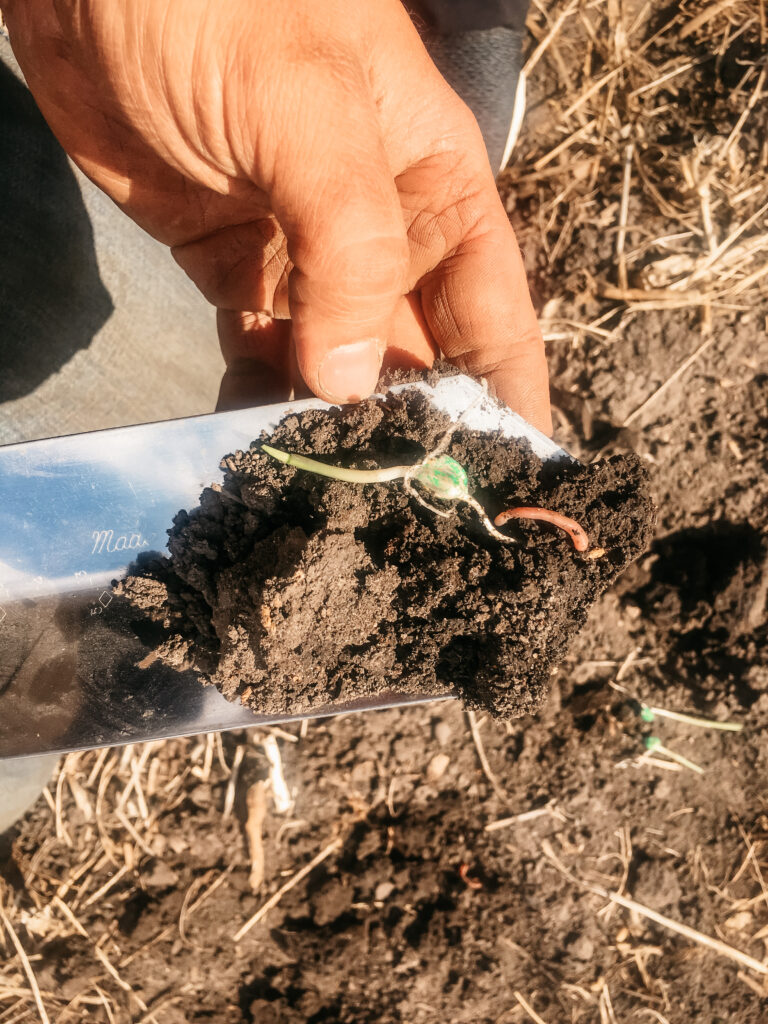
- The cereal rye root systems make the soil more porous, which makes our soil act more like a sponge. It holds moisture in, making it more available to the crop. Moist soil is also less likely to erode compared to drier soil.
- The nitrogen transferred from the cereal rye to the corn reduces the fertilizer needed throughout the entire growing season. Less fertilizer is a benefit by itself. But it also means fewer trips through the field in a tractor for fertilizer applications. Fewer trips reduce soil compaction, the fuel required to drive the equipment and greenhouse gas emissions.
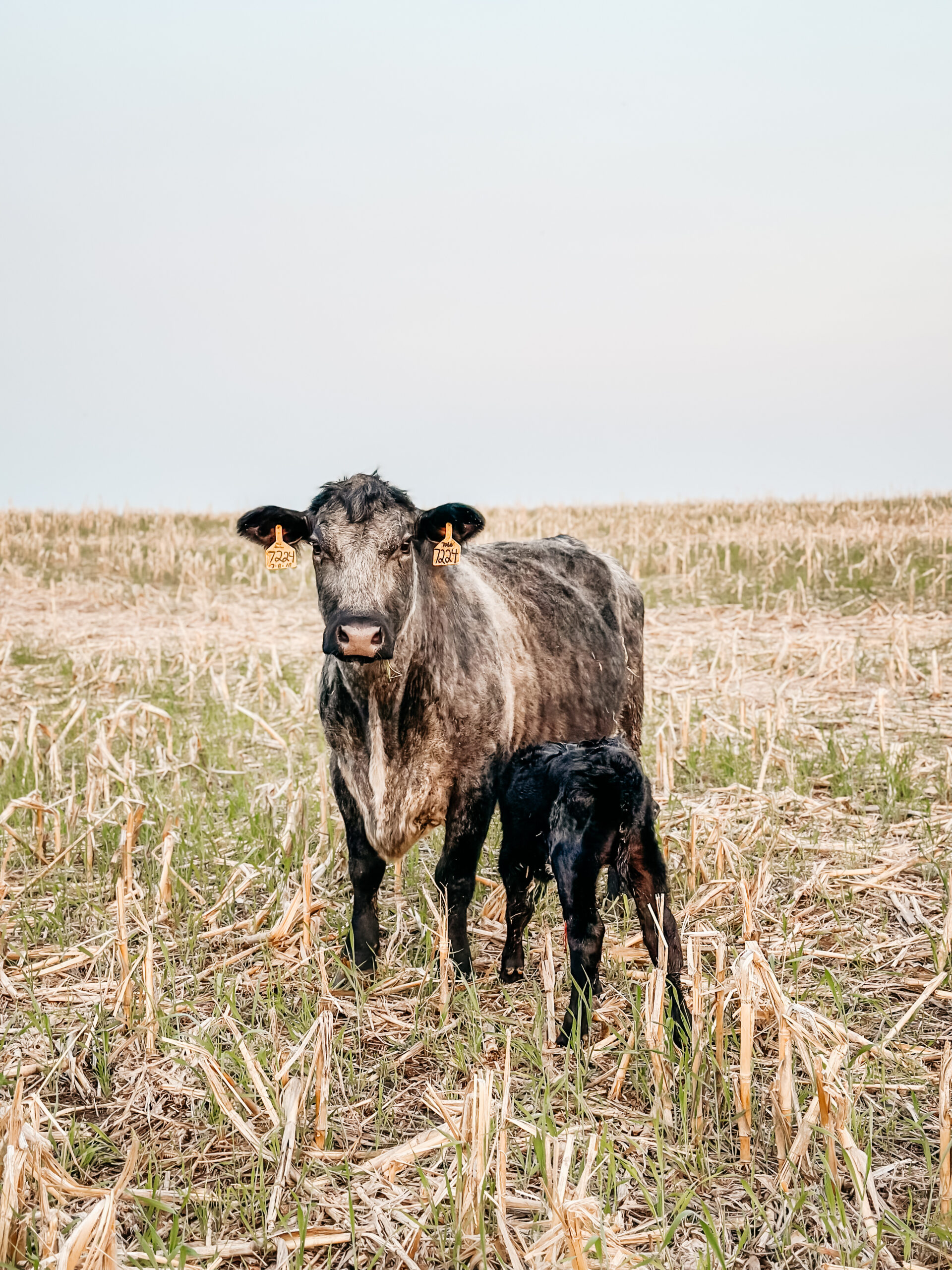
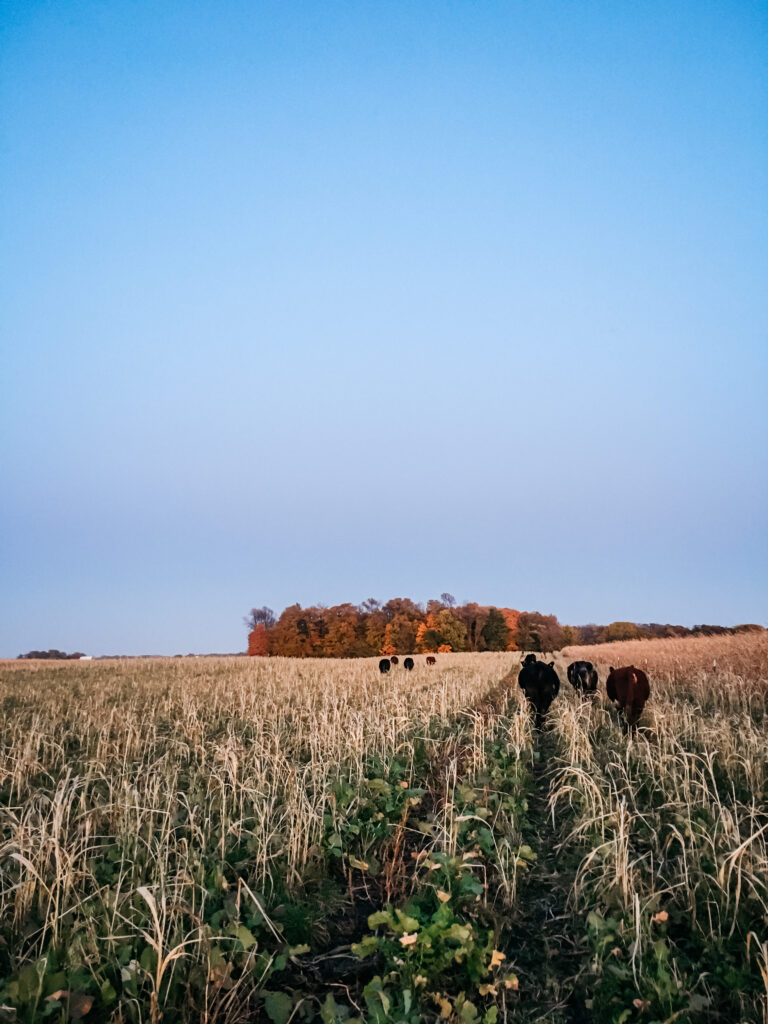
- Instead of terminating the cereal rye on one field, we will harvest it and feed it to our cattle. It is a wonderful supplement to grass hay because it has slightly better nutrients, and it is easier for the cattle to digest. We choose to mix it in with corn distillers and other vitamins and nutrients that our herd needs.
While we have experienced these great benefits, cover crops come with challenges as well. Our greatest challenge is timing due to the weather. If we cannot finish harvest in October, that puts us in a position of planting the cereal rye in November. Often the ground gets frozen at this point in the year, and our only option then is to plant it in early spring. But because of the late planting, the cereal rye does not get optimally established before we have to plant the corn. As a result, there is a reduced amount of nitrogen available in the soil for the corn.
No-Till Farming
Tillage means preparing the soil for planting by digging and turning it over. The tillage process has benefits like killing unwanted plants and weeds and incorporating manure or fertilizer on the soil’s surface. Alternatives to tillage are conservation tillage methods including reduced tillage and no-till.
We chose to transition one hundred percent of our row crop acres to no-till in a four-year period. It was a substantial change, and also a big challenge. First, we had to consider that our soil would take time to adjust before reaping the benefits. Second, we also experienced drought weather conditions in our part of Minnesota during this time. As a result, we experienced a yield drop for the first few years.
But I am incredibly happy to report that after these initial years, we are experiencing wonderful benefits to our soil, our crops, and our cattle as a result of the combined no-till farming and cover crop methods. Here are the benefits as a result of these methods together.
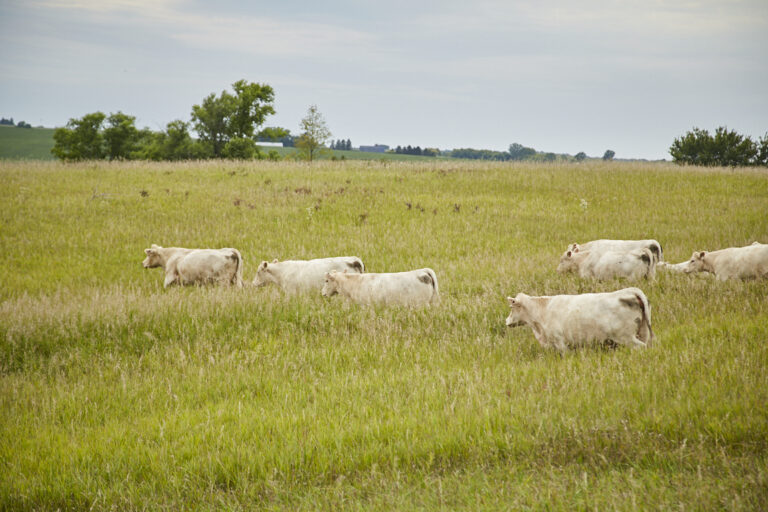
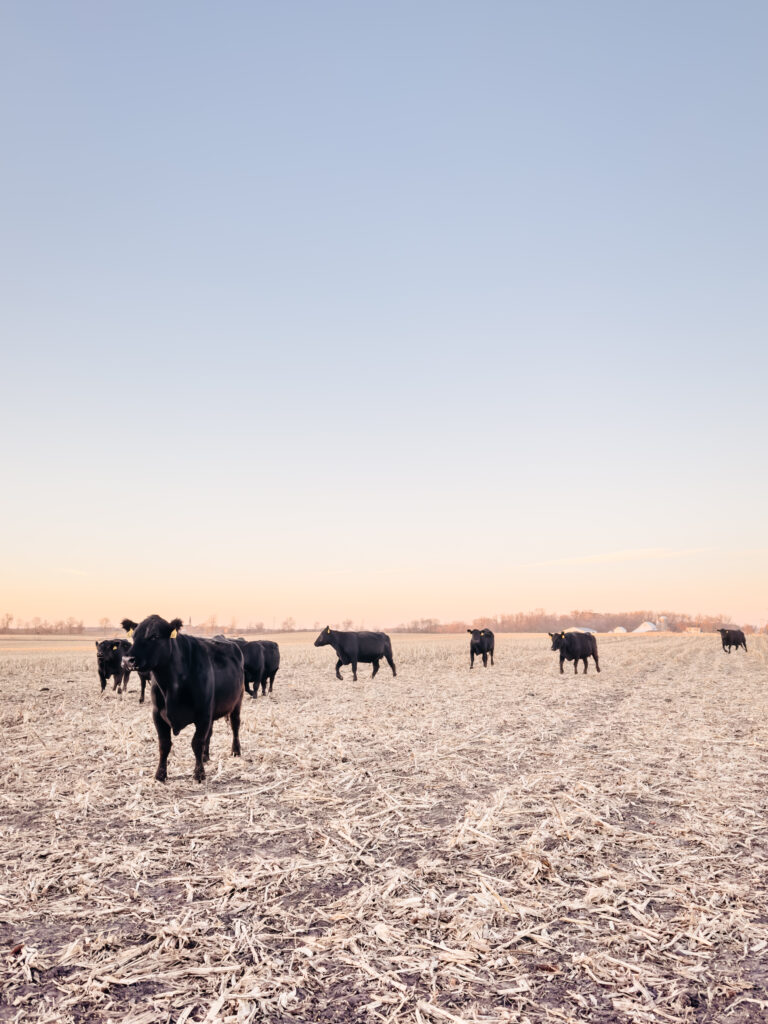
- During and after corn harvest in the fall, we turn our cattle out to graze on the corn stalks left in each field after we leave. At our busiest time of the year, our herd is feeding themselves while also spreading manure into the soil. We simply need to manage their water and fencing.
- We can now avoid taking tractor trips through the fields in order to plow the soil. We were able to eliminate a tractor this way, plus we save money on fuel, labor costs and the time it takes for two passes each year. That adds up!
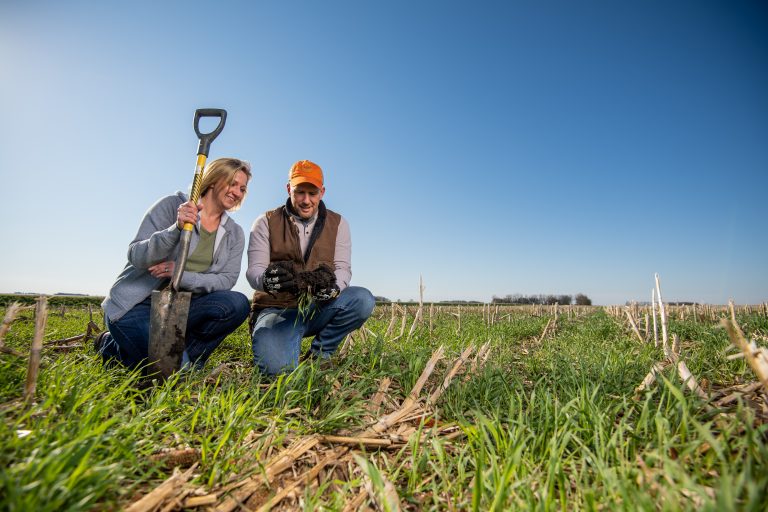
In order to measure the success of these conservation practices, we work with an independent crop consultant. This consultant does annual soil tests in our fields and then talks through the test results with us so that we understand how each field has performed. Each field has different results because of location (some fields are located in a river valley or in a hilly area that is more prone to erosion) and also due to varying soil types. After those first few years, our productivity, insect life and organic matter in the soil have continued to improve.
Our plan is to continue with these conservation practices, and to establish cover-crops on one hundred percent of our acres like we have done with no-till.
While farming is a continuous cycle of trial and error, it is also a lifestyle of continuous learning. We strive to leave the land better than we found it and we only hope the next generation can do the same.