October is National Pork Month… or Porktober, if you’re feeling fun. All month long, we have been sharing some information on the pork industry in Minnesota. Here are all of those posts, here in one place for your convenience!
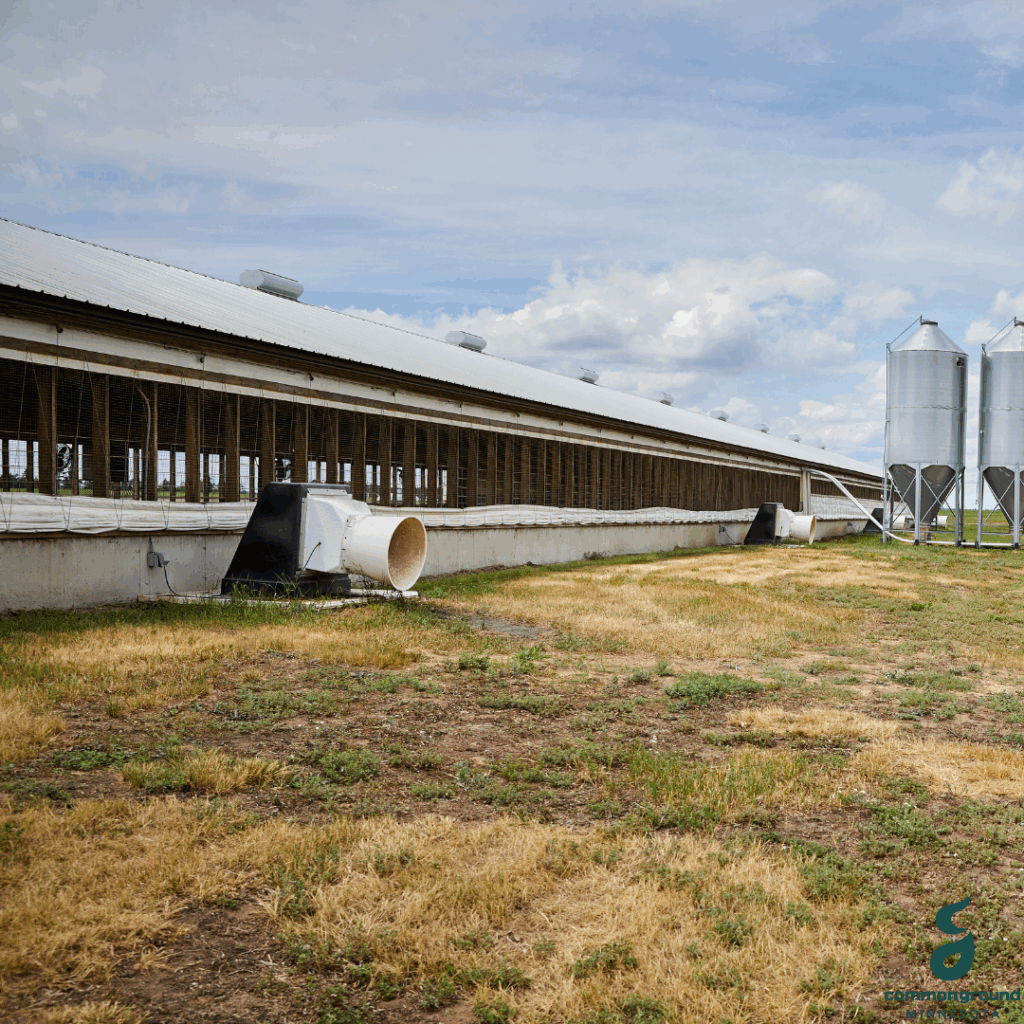
Why are pigs raised indoors?
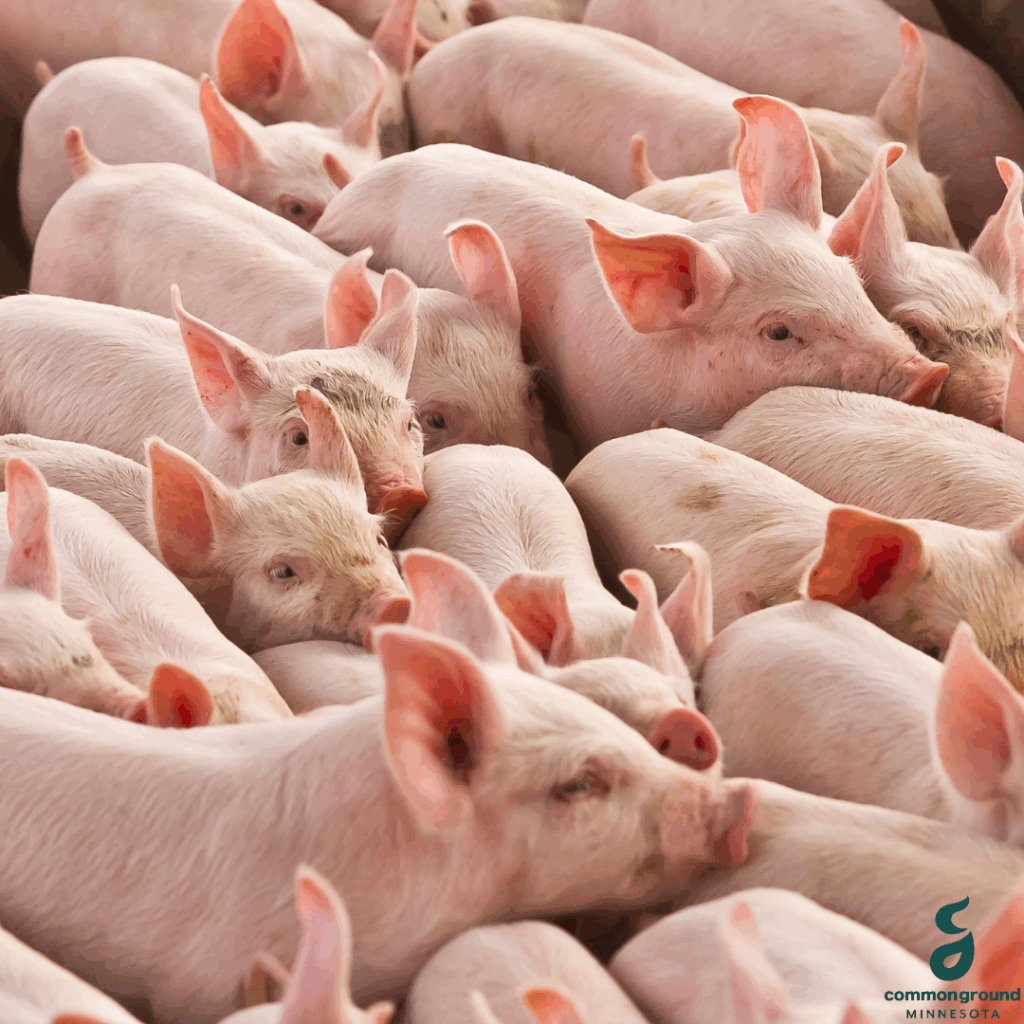
Farmers care for their animals to ensure they are healthy and comfortable, and they are constantly looking for ways to make improvements. Since 2018, over 5 million farmer dollars have been invested in animal welfare research.
Pigs are primarily raised indoors. There are many reasons for this- some of the main ones include climate control and temperature regulation, disease control, feed intake and health monitoring, and security. For more insight into why many farmers choose to raise their pigs indoors, check out this article from Wanda Patsche, a CommonGround Minnesota volunteer and a pig farmer in Minnesota.
Pork Labeling
Pork is the third most consumed meat (following chicken and beef) in the US, and the most widely consumed meat in the world. Americans eat an average of 51 pounds of pork per year, and some project that number to increase in the coming years! When you’re buying pork, the cuts, labels, and packaging can be confusing. Here’s a quick guide to some of the most confusing aspects of pork purchasing:
“No antibiotics, ever.” This means that the animal has never received antibiotics in it’s lifetime. However, any animals that do receive antibiotics (prescribed by a veterinarian to treat an illness) must undergo a waiting period or “withdrawal time” to allow the antibiotics to sufficiently exit an animals system. The FDA does not allow any meat to be sold with traces of antibiotics above strict safety limits.
“No Hormones Added” or “Added Hormone Free” Hormones are not allowed in raising hogs at all. You’ll notice any package with this claim also contains the fine print of “Federal regulations prohibit the use of hormones.” ALL pork is free from any added hormones, because it’s not allowed.
“Natural” This term is defined by FSIS as “containing no artificial ingredient or added color and is only minimally processed.” That “minimally processed” means that the product was processed in a way that does not fundamentally change the product. For example, grinding or smoking could be examples of minimal processing. Any food with this label will be accompanied by an explanation of what makes the product natural.
For more label explanations, check out this blog post from one of our farmer volunteers!
Pigs & the Planet
The environment is on everyone’s mind, and no one more so than the American farmer. Without protection of our land, water, and air resources, how will they continue to farm and live on the land? Here are a few things pig farmers are doing to ensure environmental sustainability for generations to come:
-Using manure as fertilizer- reducing the need for commercial fertilizers. Manure is applied to fields responsibly, after soil testing and monitoring to ensure that the nitrogen, potassium, and phosphorus will be utilized by a crop.
-Land, water and energy conservation- in the last 6 decades, pork farmers have been able to reduce their land use by 75%, water consumption by 25%, and their energy use by 7%.
-Reduction of carbon footprint- in that same time period, pork farmers have been able to reduce carbon emissions by 8%.
This list is not exhaustive; it barely scratches the surface. From pollinator habitat and vegetative buffers to technological advancements and improved production practices, pig farmers are constantly improving.
Pork on Your Plate
We’ve all had it- the worst, most dried out, might-be-an-actual brick chunk of pork chop. It’s easy to have that experience and think, “I don’t like pork.” In actuality, maybe you just haven’t had well-prepared pork- no shade towards the chef of the aforementioned dry sawdust brick.
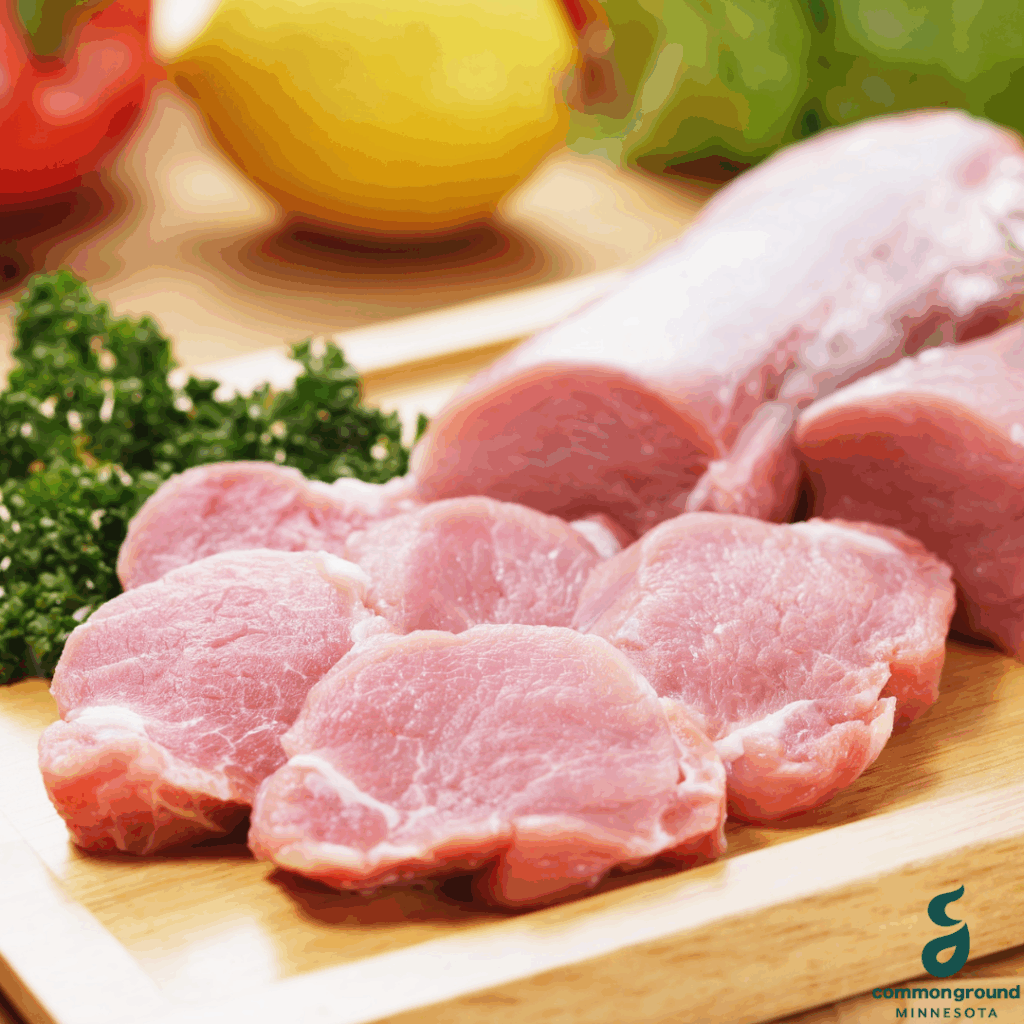
Did you know that pork only needs to be cooked to 145 degrees F, with a 3 minute rest? Cooking pork of any cut to 165 like chicken requires is sure to dry it out and impact the quality. Speaking of chicken, did you know pork tenderloin is as lean as chicken breast? It’s also kind of a powerhouse when it comes to protein and nutrients- packing 23g of protein into only 120 calories per 3 oz serving. It’s also a great source of thiamin, Vitamin B6, B12, zinc, and more.
It doesn’t all have to be health food- pork can be equally decadent. Whatever you’re craving, pork can do that! Bulgogi? Jambalaya? Gyoza? Tacos? Stirfry? Roasts? Ribs? A good ol’ pork shoulder out of the smoker? If you’re looking for inspiration, we strongly suggest checking out pork.org for all kinds of information, recipes, and tips on preparing pork like you’ve never had before.