Here are all of the installments of the August Direct to Consumer series, all in one spot for your easy reading!
Support Farmers- Eat Food
We’ve all heard it before—and most people agree—we should support our farmers. But what does that really mean?
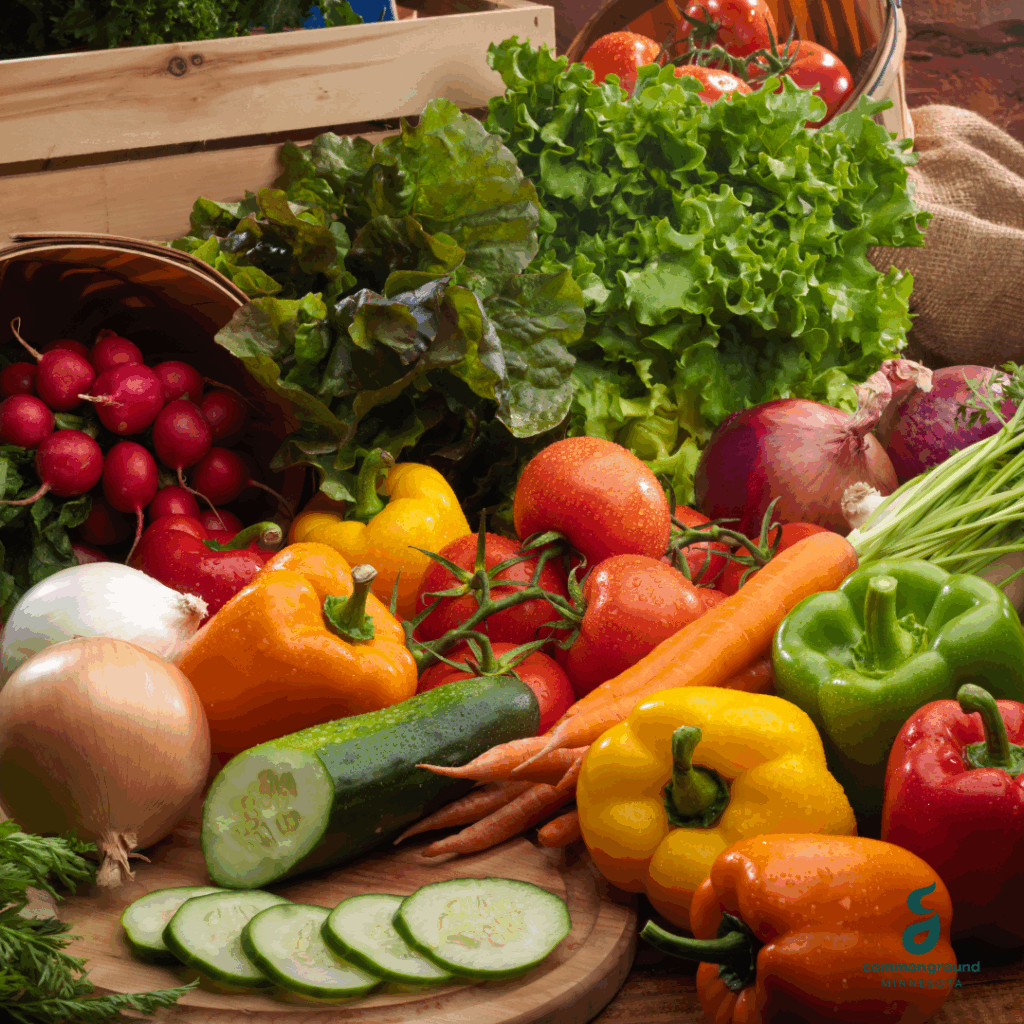
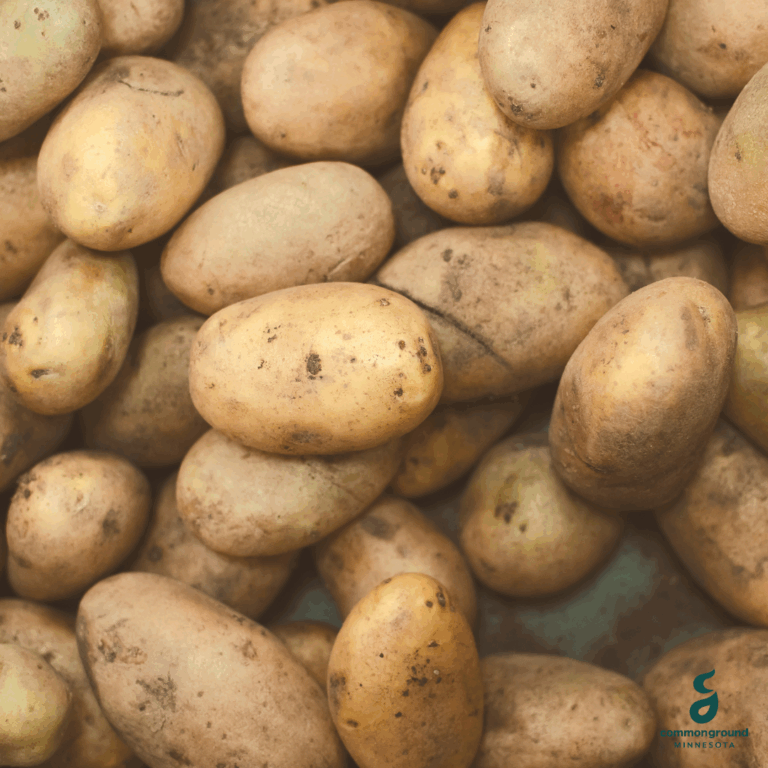
One of the most effective ways is to use the products they grow and raise. While a small percentage of Minnesota farmers sell directly to consumers (only about 5%), the good news is that nearly everything you buy at the grocery store started on a farm. Whether it’s tofu or chicken, sweet corn or potatoes, it was grown or raised by a farmer before it ever hit a shelf.
Supporting farmers goes beyond food, too. Using ethanol-blended gasoline or wearing cotton clothing helps support agriculture at its source- family farms.
For those who want an “up close and personal” connection to their food, buying directly from farmers is a great option. Throughout the rest of the month, we’ll be sharing ways to buy food directly from farmers and tips to help you get started.
Shop Your Local Farmer’s Market
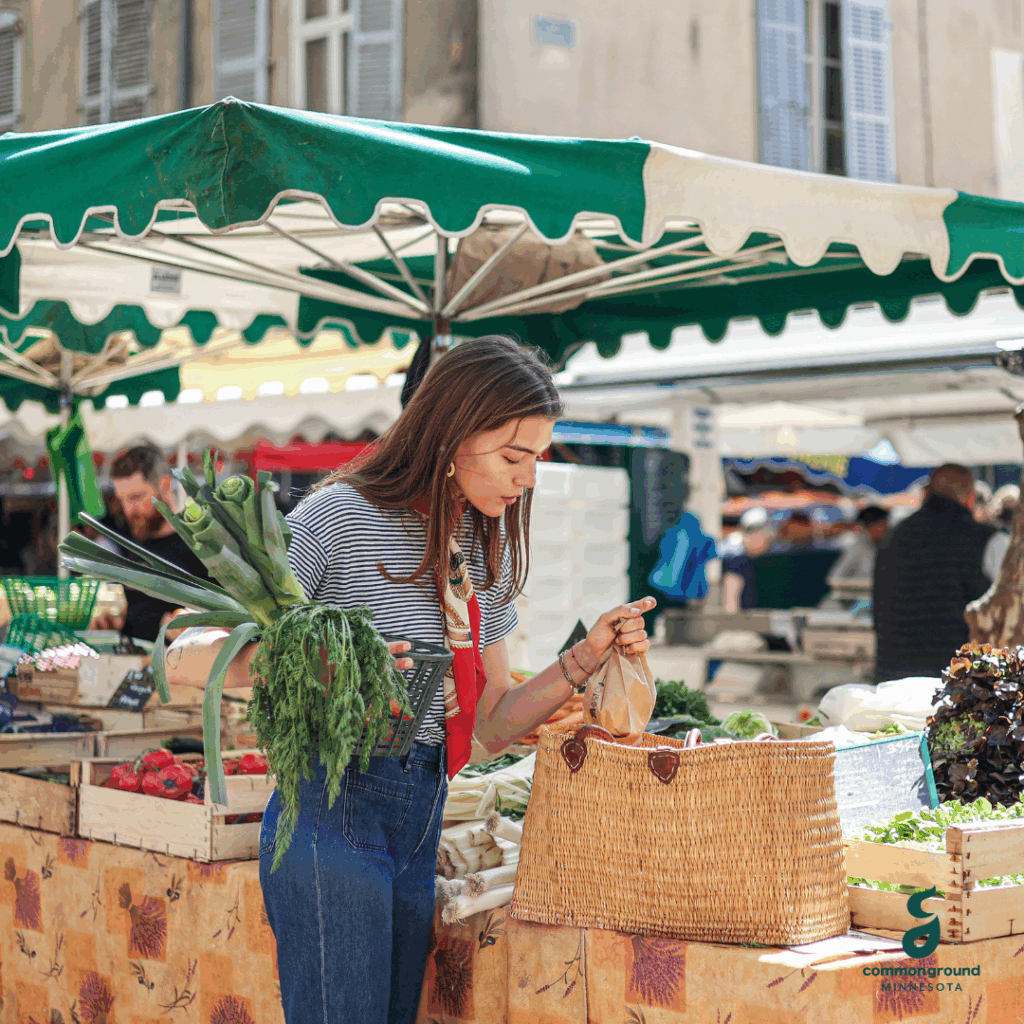
One of the easiest ways to buy directly from farmers is by shopping at your local farmer’s market.
Many communities (rural and urban alike!) host markets during the summer. In the Twin Cities, we’re proud to sponsor the Twin Cities Family Farmers Market Guide, a helpful directory of local markets in the metro area. If you’re not in the metro, a quick search for “{your town} farmer’s market” is a great place to start.
Keep in mind that offerings can vary throughout the season, especially with produce. If you visit a market on opening weekend hoping for sweet corn or tomatoes, you may come up short. While more farmers are starting to grow in greenhouses and hoop houses, traditional grocers still have the advantage when it comes to year-round produce.
That said, there can be something special about eating what’s in season and meeting the people who grew it.
Community-Supported Agriculture
Another great way to support local farmers is by finding a CSA program (Community Supported Agriculture).
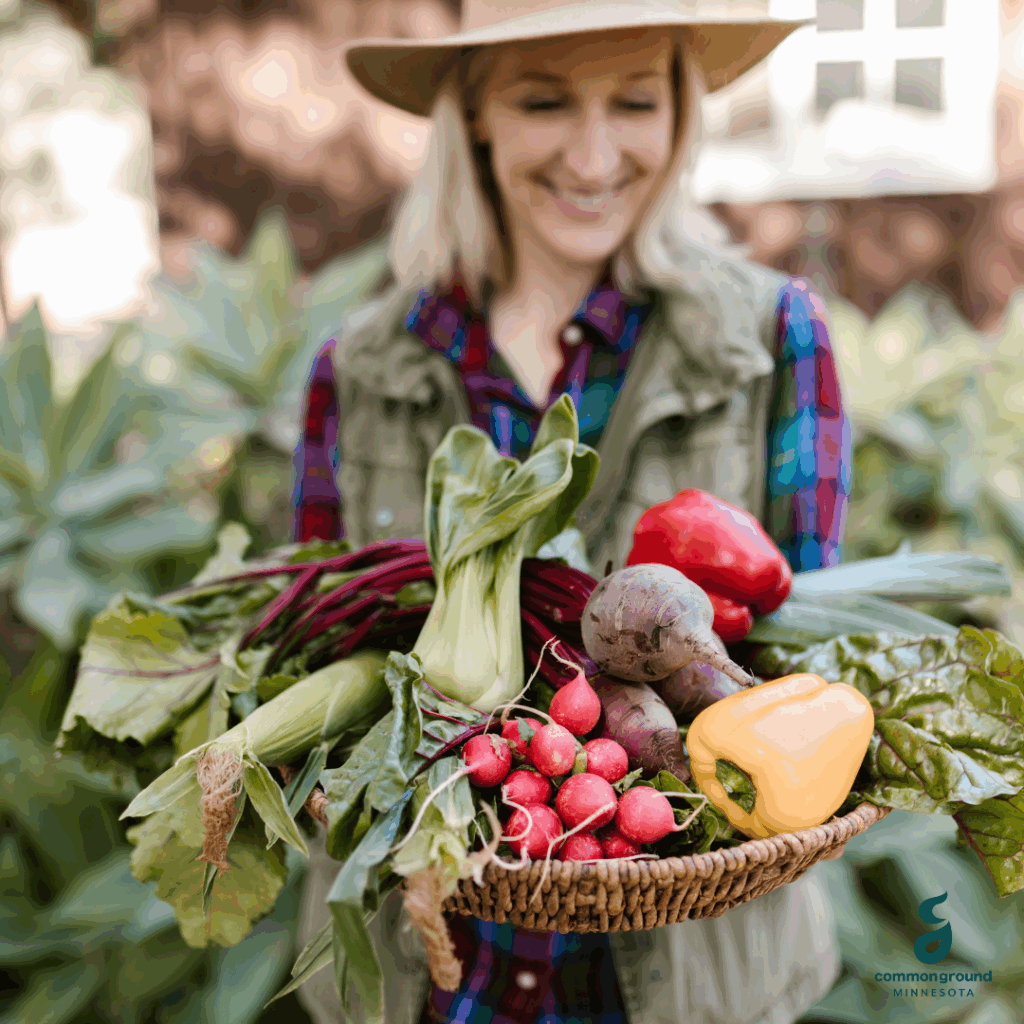
Each CSA is a bit different, but the general idea is the same: you buy a “share” of a farm’s produce, usually before the season starts. Then, as crops are harvested, you’ll receive regular deliveries or pick-ups of fresh, local food—kind of like a subscription box from your local farmer!
Unlike a farmer’s market, you won’t get to pick and choose what’s in your share each week. Everyone gets the same selection, based on what’s ready in the fields. Many farmers share a seasonal planting plan so you’ll have an idea of what to expect. Some CSAs are partnerships between multiple farmers to offer more variety, and others might offer a range of share sizes or frequencies.
While CSAs can be harder to find and may require a bigger up-front commitment, they’re a great fit for those who want a regular supply of local food and a strong connection to their farmers.
Farm Stands & Farm Stores
Farm stands and on-farm stores are another way to purchase directly from farmers, and they’re becoming more common.
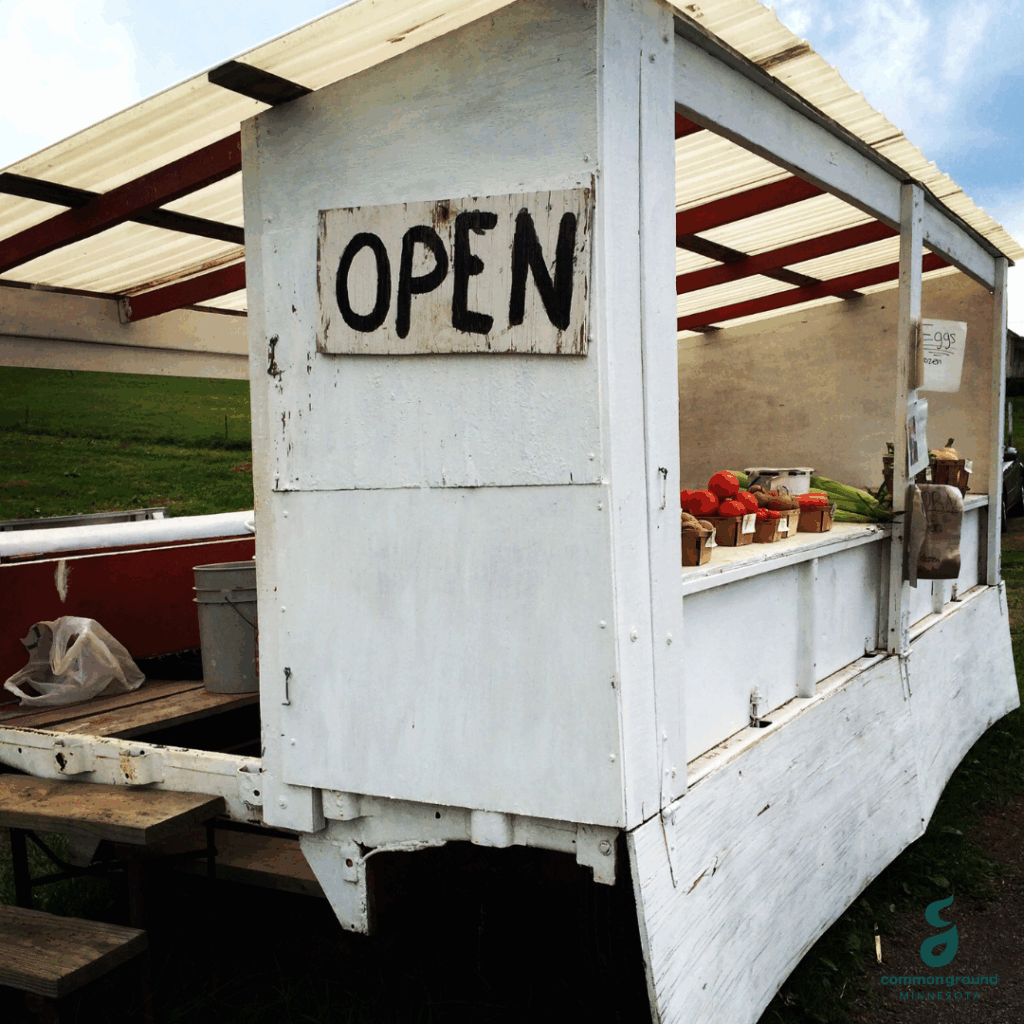
Sometimes these are simple self-serve stands at the end of a driveway. Other times, they’re larger buildings that include full stores, agritourism experiences, and events. Each one is different, which makes visiting them even more fun.
Because no two farm stands are the same, finding them can be tricky. More and more farmers are turning to social media to share what they offer, where they’re located, and when they’re open.
A great place to start is the Minnesota Department of Agriculture’s Minnesota Grown directory. It lists farmers markets, CSAs, on-farm stores, and other direct-to-consumer options across the state. While not all farms are listed, it’s a helpful starting point if you’re looking to buy local.