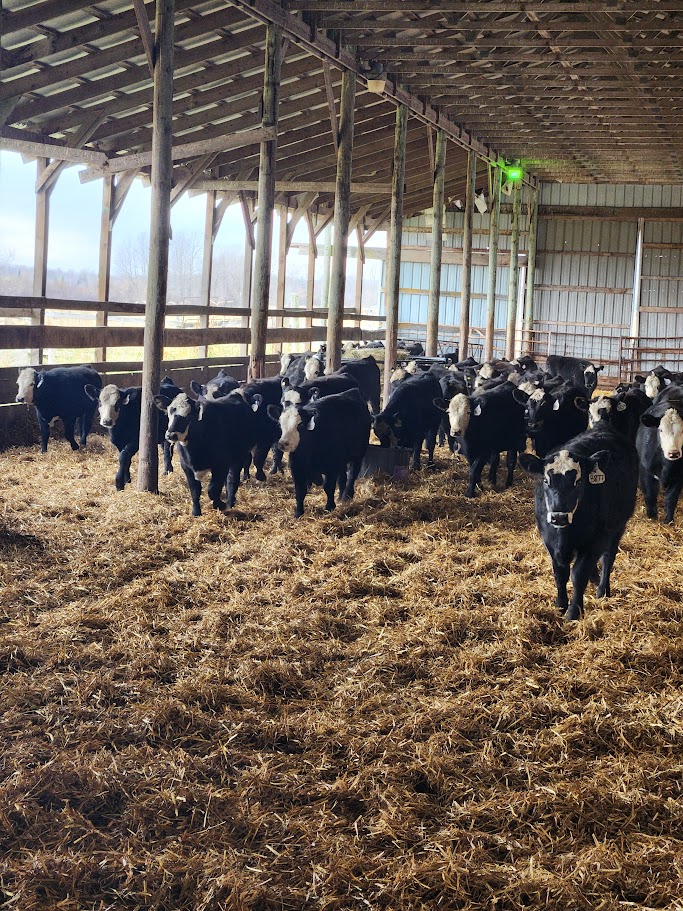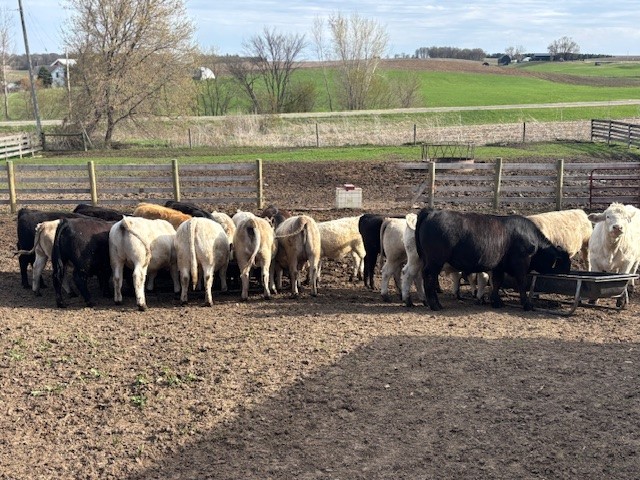
Hello from Northern Minnesota where fall is in full swing, and winter is on the way! I am Rachel Gray, a cattle rancher from Blackduck, MN. We raise about 500 head of beef heifers yearly to sell to ranches throughout the United States. We help ranchers grow their herds by assisting them to select females, cows, that will work in their environment. Our entire focus is helping other ranchers find cattle that fit what their specific needs. For us, that means we have 500 or more mouths to feed and care for every winter.
November is a busy month on the ranch. We start the month by getting the bred heifers ready to go to their new ranch. This involves vaccinating them as requested by the buyers and performing ultrasounds to confirm that they are pregnant. Then they are loaded onto cattle pots and delivered to their new homes. You have probably passed a cattle pot on the road. It’s a large semi with a trailer with a lot of holes in the sides. People always ask if the cattle get cold in the trailer and the answer is “no.” They are loaded with enough space to move around and be comfortable, but they are close enough to each other for wind protection and warmth. This time of year, cattle are growing their winter coats, so they are ready for cold weather.
After cattle have left the farm, we clean the barns, get the lots ready with fresh bedding, mineral, feed and water because we have new calves coming in. We buy calves that weigh 650 pounds and have been with their moms on grass throughout the summer. These heifers come to us so that we can develop them into the heifers that will help ranches grow. Getting ready means that we check all the waterers for working heaters and heat bulbs. Nothing is worse than a -50°F morning and frozen water. Our waterers are extra insulated and protected from the wind to help ensure they don’t freeze. We also make sure that we meet with our nutritionist and test our feed. We take feed samples and have them tested for protein, carbs, vitamins, and minerals. Then, we ensure that we supplement the heifer’s diet if anything is missing in our ration.
In the fall, we also spend time catching up on fencing jobs, cleaning the yard and putting away equipment for the winter. Many of you probably winterize your RV, mower, or boat. We do that on a huge scale with equipment. Each tractor must have the heater checked and serviced and the oil changed. Some tractors are only used in the spring and summer. Those are tucked away in sheds for next summer and some tractors are ready to be used when feeding the heifers.
Fall is also a time when we gather cattle and move them to winter pastures. We often use a combination of 4 wheelers and horses. We had 9 riders last week moving 250 head to new ground. The cattle will winter there and come home twice for checks. We like to bring them back to the barn twice in the winter to get vaccines and get weighed. That is how we ensure they are growing properly.
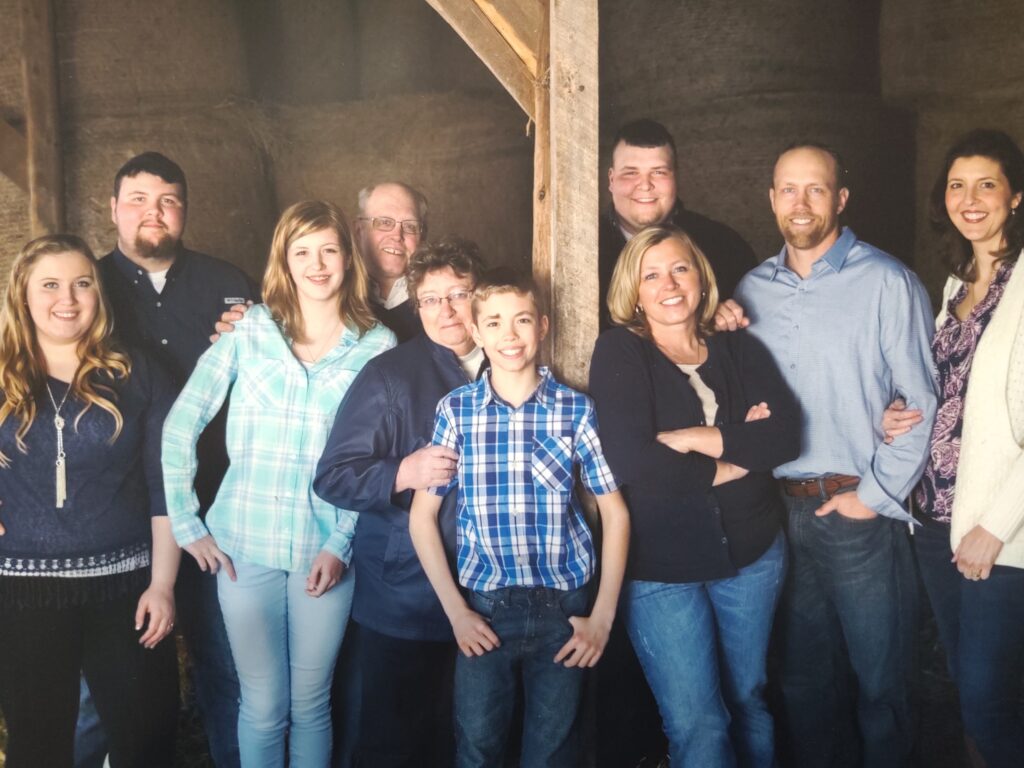
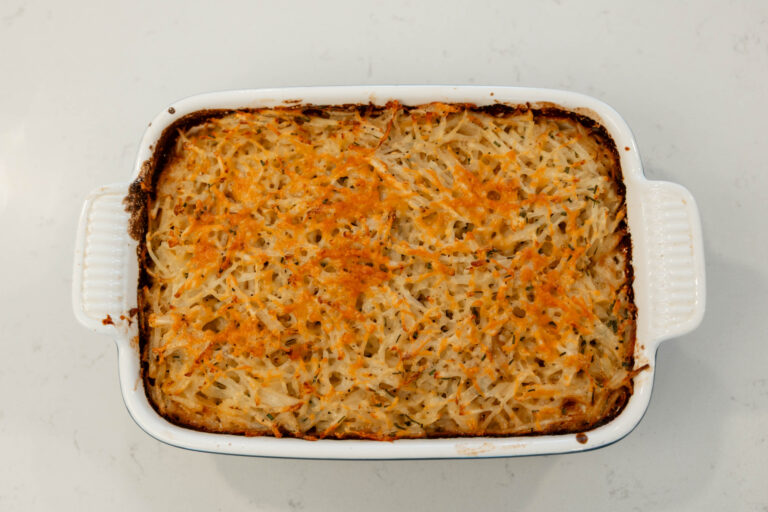
That is the easy part of getting ready for winter. The hard reality is that we are constantly outside, fighting the mud and freezing temps. The cattle have wind protection and places to get out of the cold, but working in the wet and cold conditions takes a toll on us. The early darkness also makes ranching hard this time of year. We have less daylight to accomplish tasks, so we try to work fast and remember to take breaks. Each day, we make sure we take a dinner break and all sit down at the table for a family style dinner. Around here, the noon meal is called dinner. It is our largest meal of the day. Everyone that works here is on their own for breakfast and supper, but dinner is a shared meal in the main farm house. I usually use the crockpot or make something the night before so that we can be ready to eat quickly. We all sit down, warm up and visit about what we need to accomplish in the afternoon. This is a change from the summer months where meals are often grab and go because there is so much to do. Even though we still are working from about 6:30 am until 5:00pm, the jobs are a bit easier this time of year.
By the end of November when the snow starts to fall, we are ready for winter. The cattle are settled in to winter pastures with a shelter area and a deep bedding pack, they have plenty to eat and a good water source. The machinery is ready for next summer and we start to do jobs like cleaning the shop and barn. We start to get ready for calving season in February. Ranching seems like one big cycle. As soon as you complete a task you look forward to the next job that will make the next season run smoothly.
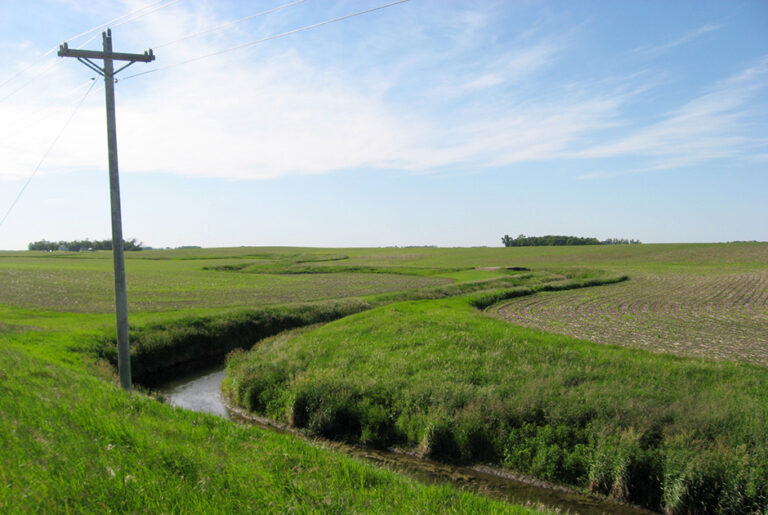
Rachel Gray is the 5th generation on her land. She runs a 500-head heifer development business in Blackduck, Minnesota. Together with her family, they strive to raise these cattle while improving soil and water quality, giving the ranch the ability to pass to the next generation.