May is National Beef Month! Here are all the parts of our social media series in one place for easy reading! Enjoy!
Beef in the US
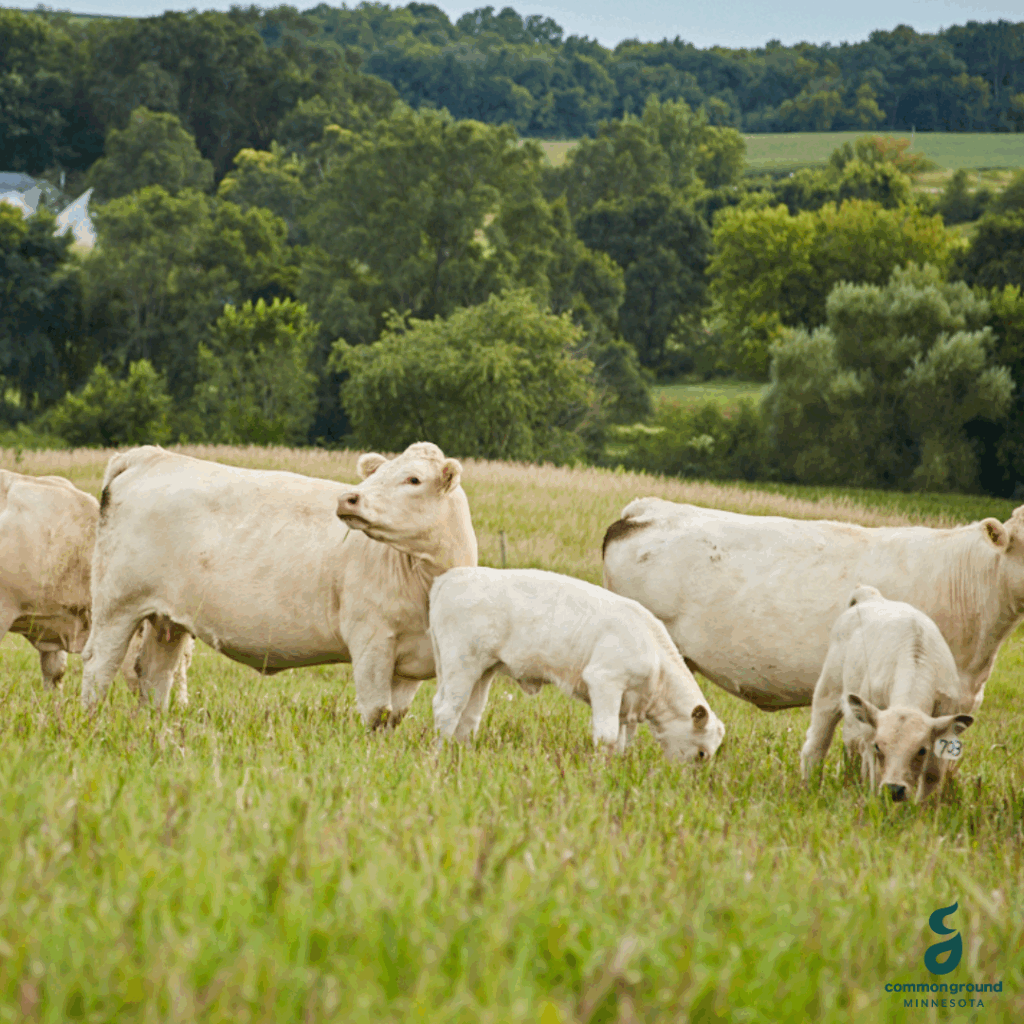
It all starts when a calf is born — weighing anywhere from 60–100 pounds depending on genetics and breed.
They live alongside their mothers, grazing on grass and drinking milk until they are weaned between 6–10 months old, reaching 450–700 pounds.
After weaning, calves continue to graze on grass and hay, with farmers providing important supplements like vitamins, minerals, and salt.
Some farmers also begin adding other feeds, like grains, to support healthy growth.
As cattle mature, many are finished at feedyards where they have access to a balanced ration made up of:
🌾 Roughage (hay and grasses)
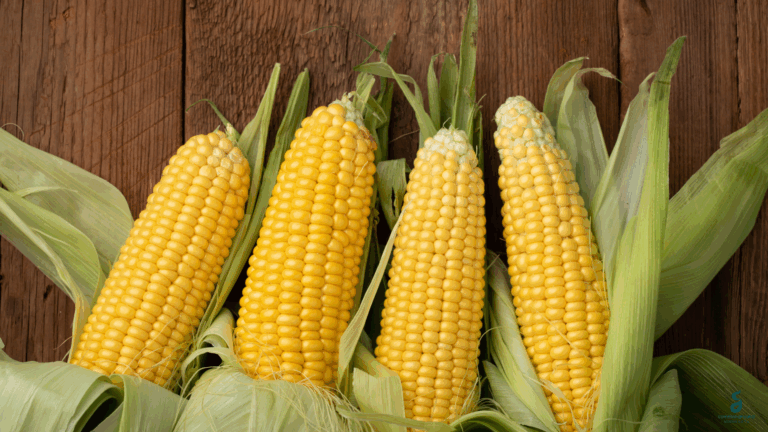
🌽 Grains (like corn, wheat, or soybeans)
💊 Vitamins and minerals
Cattle typically spend 4–6 months at feedyards before they are processed for consumers, reaching a final weight of 1,200–1,300 pounds — usually around 14–15 months of age.
Fun fact: about 12% of U.S. beef is exported to around the world! 🌎
But that’s just a small look into the industry…
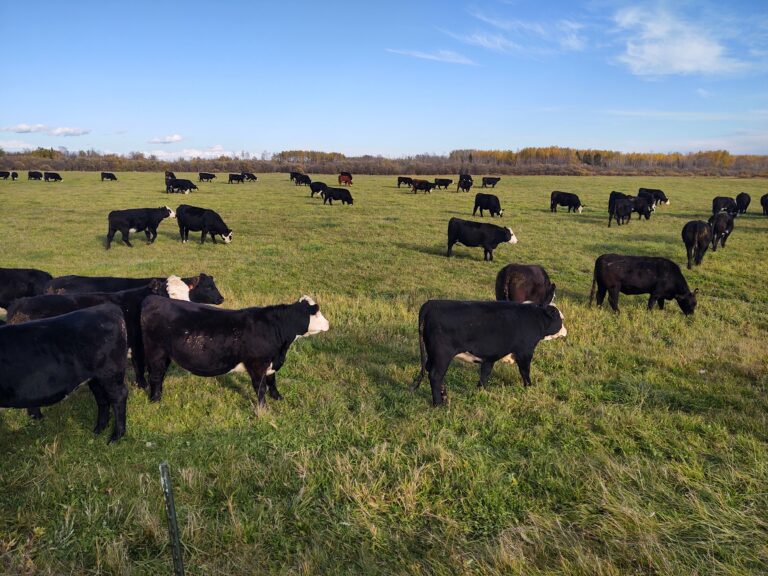
✔️ Some cattle stay on pasture their whole lives.
✔️ Some farmers raise cattle from birth to harvest, while others specialize in specific stages- cow/calf, backgrounding, or finishing.
✔️ Some cattle are grass-fed only, while others enjoy a mixed ration.
✔️ Some even help reduce waste by eating byproducts from other industries — turning leftovers into healthy beef! ♻️
No matter the method, farmers are passionate about raising healthy animals and providing safe, nutritious beef. 💬
Have questions about how beef is raised? We’re happy to answer — drop them below! 👇
#Beef #FromFarmToTable #BeefFarming #AskAFarmer #BeefItsWhatsForDinner #BeefProduction #FarmLife #SustainableFarming
Picture this: 🛒🥩
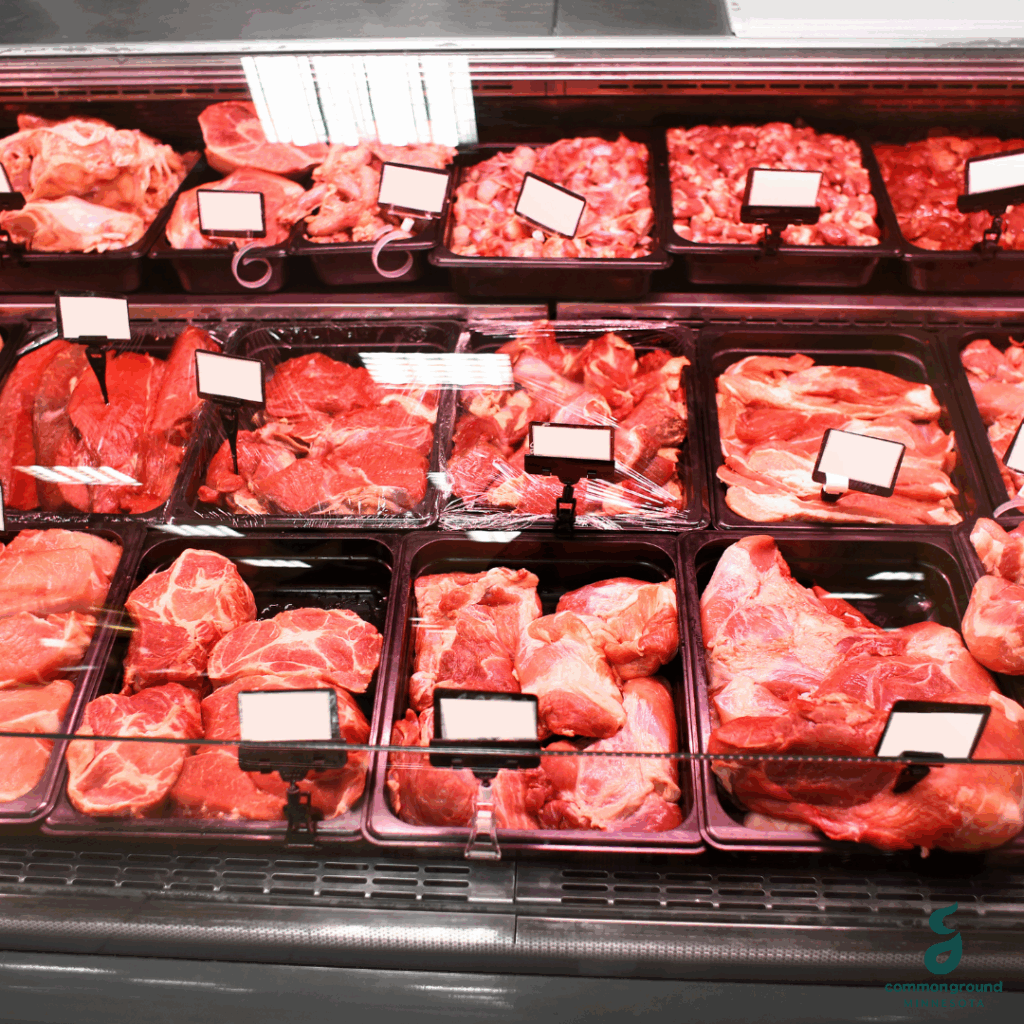
You’re grocery shopping for beef. You head to the meat department… and whoa, so many options! Where do you even begin?
First, good news:
✔️ All beef sold in the U.S. is free of antibiotic residues — it’s federal law!
If an animal was ever given antibiotics, it must go through a withdrawal period before it can be processed.
✔️ All meat sold in grocery stores comes from USDA-inspected facilities.
Inspectors are on-site to check for humane handling, food safety, and sanitation.
(Note: Meat bought directly from farmers may be inspected differently — we’ll have more on that for you in Part 4!)
Now, what about all those labels? 🏷️
👉 Prime, Choice, and Select
These are grades based on marbling (fat distribution) and quality. Fat delivers flavor, so marbling is a preferred trait in your beef!
Prime = most marbling (juicy and flavorful)
Choice = great quality, a little less marbling
Select = leaner cuts, less marbling
Grading is voluntary, but it’s reliable — packers pay extra for this service!
👉 Ground Beef Numbers
80/20? 90/10?
These refer to the meat-to-fat ratio.
80/20 = 80% meat, 20% fat (juicier, cooks down more!)
Higher meat % = leaner (and usually a little pricier).
👉 Grain-Fed vs. Grass-Fed
All cattle eat grass or hay!
Grain-finished cattle are fed grain before processing. Most beef in the US is raised this way.
100% Grass-Fed = no grain ever — the meat is usually leaner, with a different flavor, and may cost more.
👉 Certified Angus Beef
Angus = a breed known for great beef.
Certified Angus Beef (CAB) is a brand with 10 quality standards — not every Angus animal qualifies, and beef may come from crossbred cattle as long as they meet standards!
Fun fact: Only 3 out of 10 cows meet CAB’s strict standards.
👉 Wagyu
Wagyu = a breed from Japan, known for rich marbling and tenderness.
Originally bred as work animals, their beef is now highly prized (and yes, it’s trendy for a reason!).
🛒🥩 The meat counter might seem overwhelming, but once you understand the labels, it’s much easier to choose what’s right for your meal (and your budget!). 🛒🥩
Whether you pick Prime, Certified Angus, Grass-Fed, or plain ungraded beef, you can shop with confidence knowing U.S. farmers work hard to provide safe, high-quality beef.
Got more questions about beef labels? Drop them below — we’re happy to help! 👇
#BeefShopping #KnowYourBeef #MeatLabels #USBeef #FarmToTable #AskAFarmer #BeefCuts
Beef: More Than Just Dinner! 🥩✨
Beef is a delicious choice for your dinner plate — but did you know cattle provide so much more than just meat?
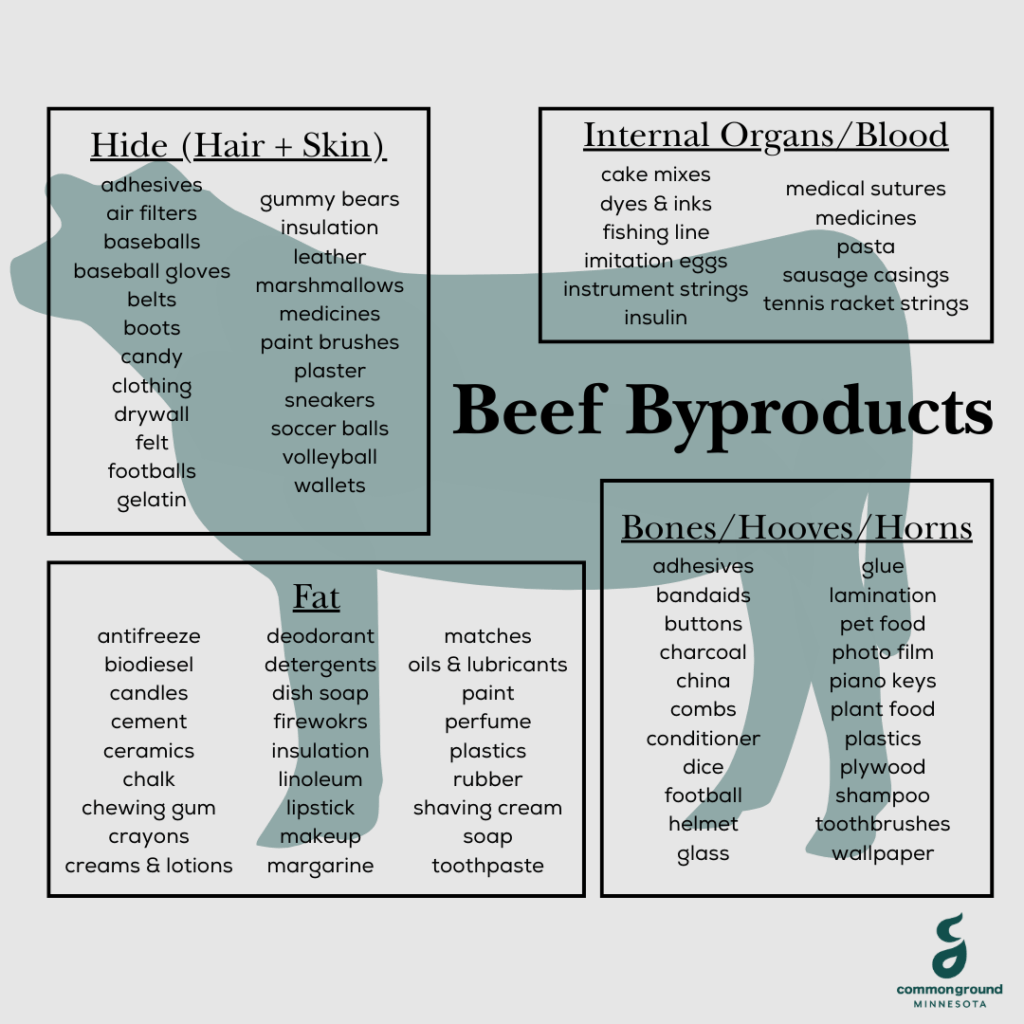
Very little of the animal goes to waste. After harvesting beef from the animal, we are left with important and valuable byproducts that we use every day — often without even realizing it!
Some examples:
🍬 Gelatin (made from collagen) is used in marshmallows, gummies, and Jell-O.
👢 Leather comes from the hide and is used for boots, jackets, baseballs, and more.
🎻 Instrument strings can even be made from certain cattle organs!
(syringe emoji)Insulin derived from cow pancreas is used in the medical field.
From food and fashion to musical instruments and medicine, beef cattle play a bigger role in your life than just filling your plate. 🛍️🎶
👉 Take a look at the graphic and see how many beef byproducts you use every day! You might be surprised!
#BeefByproducts #BeyondThePlate #FarmToLife #BeefLife #Sustainability #NothingGoesToWaste
Thinking about buying beef directly from a local farmer? 🥩🚜
It’s a great option — but there are a few extra things to consider! Let’s break it down:
1. Amount and Type of Beef
🥩 You typically buy a quarter, half, or whole animal — not just individual cuts.
If you’re mainly after ribeyes, this might not be the best fit!
Exact meat amounts can vary slightly from animal to animal, but farmers can give you a good estimate based on live weight.
2. Payments
💵 You’ll often make two payments:
One to the farmer (usually priced per pound of hanging weight)
One to the meat locker for processing (often a flat fee).
Some farmers bundle processing costs into the price, and lockers may charge extra for specialty cuts or value-added products like beef sticks.
3. Processing Rules
🏷️ In Minnesota, beef can be processed at:
Federally inspected plants (required for retail sales)
State “Equal To” (E2) plants (meet or exceed federal standards)
Custom Exempt plants (for private use only).
➡️ If you buy from a farmer using a Custom Exempt processor, you’re technically buying a share of the live animal.
That’s why your meat is labeled “NOT FOR SALE” — it’s for your personal use only!
4. Freezer Space
🧊 A quarter of beef typically yields around 142 pounds of meat.
Plan for about 4.5 cubic feet in a chest freezer, or 5.5 cubic feet in an upright freezer.
You might fit it in a fridge freezer… but between other frozen foods, you may want extra freezer space!
5. Farmer Connection
👩🌾👨🌾 One of the biggest benefits: a direct connection to your food.
Ask how the animals are raised.
Learn more about your beef from farm to freezer.
Some farmers even invite customers to visit their farms!
The bottom line:
Because things vary from farm to farm and processor to processor, the best way to get details on price, cuts, and process is to talk directly with the farmer.
Resources to find local beef:
✅ Word of mouth
✅ Your local meat locker
✅ Minnesota Grown
✅ Farm Direct Minnesota
Whether you buy directly from a farmer or from the grocery store — both are great, safe ways to feed your family! 🥩❤️
#LocalBeef #KnowYourFarmer #FarmToFreezer #BeefBuyingTips #MinnesotaGrown #SupportLocal #BeefItsWhatsForDinner
https://extension.umn.edu/save-money-food/buying-animals-meat-processing