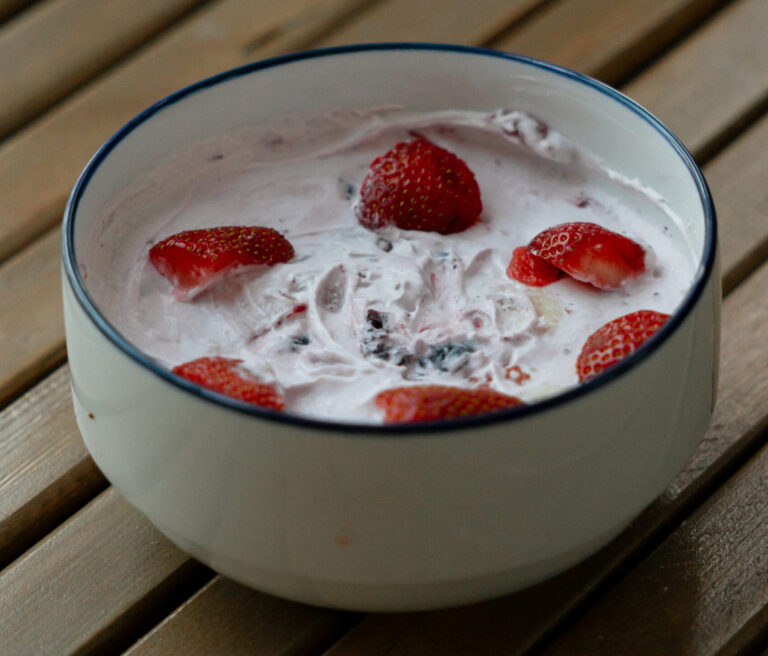
At first glance, a Rhubarb Meringue Tart can seem straightforward. There are only a few major components: the tart crust, the rhubarb filling, and the meringue topping. But anyone who has ever worked with pastry or meringue knows that “simple” does not always mean “easy.” Recipes like this rely heavily on technique, timing, and practice. Small details can completely change the final result.
Farming works much the same way. From the outside, it can look simple: plant the crop, care for the animals, and harvest when the time comes. But behind every successful farm is years of experience, problem-solving, and constant learning. Farmers are always adjusting, researching, troubleshooting, and improving because agriculture rarely goes exactly according to plan.
A tart crust, for example, can become tough if the dough is overworked or too warm. Meringue can collapse if there’s even a trace of egg yolk in the whites or if humidity in the air is too high. Rhubarb filling can turn watery if the moisture content isn’t balanced correctly. None of those challenges mean the baker failed—they’re simply part of learning the technique behind the recipe. Often, the only way to improve is through practice, observation, and trying again.
Farmers face similar challenges every day. Maybe a crop isn’t growing evenly in one section of a field. Maybe animals are showing subtle signs of stress or illness. Maybe changing weather patterns affect planting or harvest timing. The answer is not always obvious, and there usually isn’t a single perfect solution. Farmers spend a lot of time researching issues, consulting experts, studying data, and relying on both experience and science to make informed decisions.
Sarah knows this firsthand. Farming requires patience and adaptability, especially when conditions change unexpectedly. Sometimes overcoming a challenge means adjusting feed rations, changing planting strategies, trying new technology, or simply learning from what didn’t work the season before. Progress on the farm often comes through trial, error, and persistence.
This Rhubarb Meringue Tart reflects that same process. Recipes like this are built on technique, and technique comes from repetition. The first tart may not look bakery-perfect, and that’s okay. Maybe the crust shrinks a little, the filling bubbles over, or the meringue browns unevenly. Every attempt teaches you something new about the process.
That’s true in farming, too. Success rarely comes from luck alone. It comes from continually learning, adapting, and improving over time. Farmers and bakers alike understand that setbacks are not failures—they’re opportunities to figure out what happened and how to do better next time.
So when making this recipe, don’t be intimidated by the extra steps. Take your time with the techniques, trust the process, and give yourself room to learn along the way. Practice builds confidence, whether you’re perfecting a meringue topping or managing the countless moving pieces of a farm.
And if your tart isn’t perfect the first time? You’re in good company.
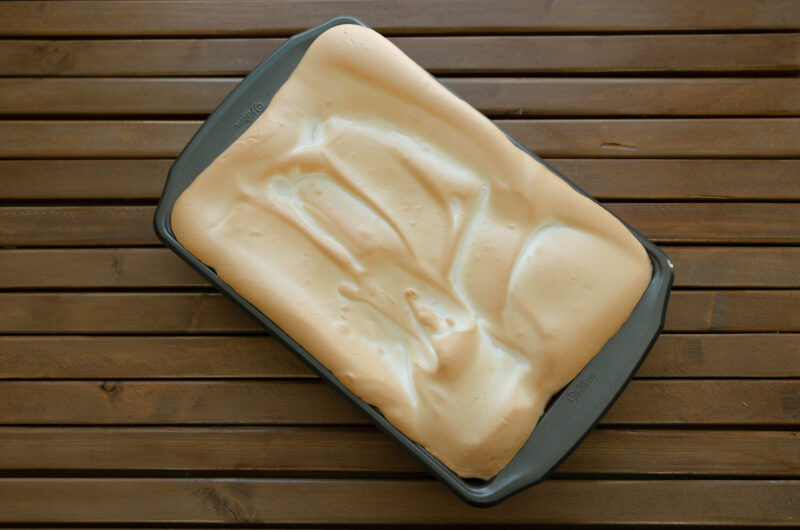
Rhubarb Meringue Tart
Course: DessertCuisine: AmericanDifficulty: Difficult16
servings20
minutes1
hour15
minutes1
hour35
minutesIngredients
½ lb butter
2 cups flour
2 TBSP powdered sugar
5 cups rhubarb, finely diced
1 tsp salt, divided
6 egg yolks
1 cup milk
2 cups sugar
4 TBSP flour
6 egg whites
12 TBSP sugar
1 tsp vanilla
Directions
- Mix the butter, 2 cups flour, and powdered sugar to form the crust. Press into a greased 9×13 pan. Bake at 350 for 15 minutes.
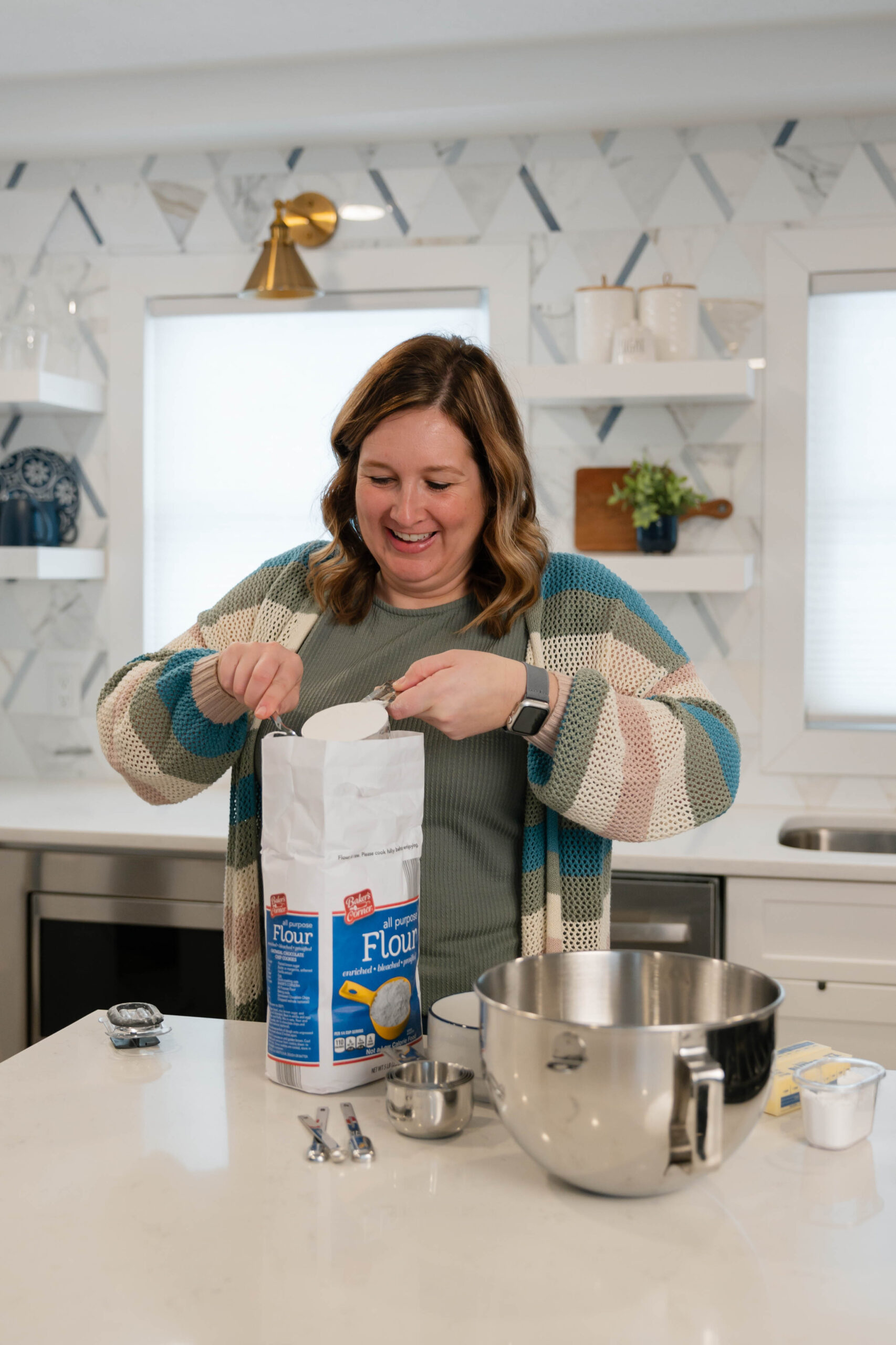
- Beat the egg yolks with one cup of milk. Add that to the rhubarb, salt, sugar, and 4 TBSP flour. Mix and pour over crust. Bake at 375 for 45 minutes.

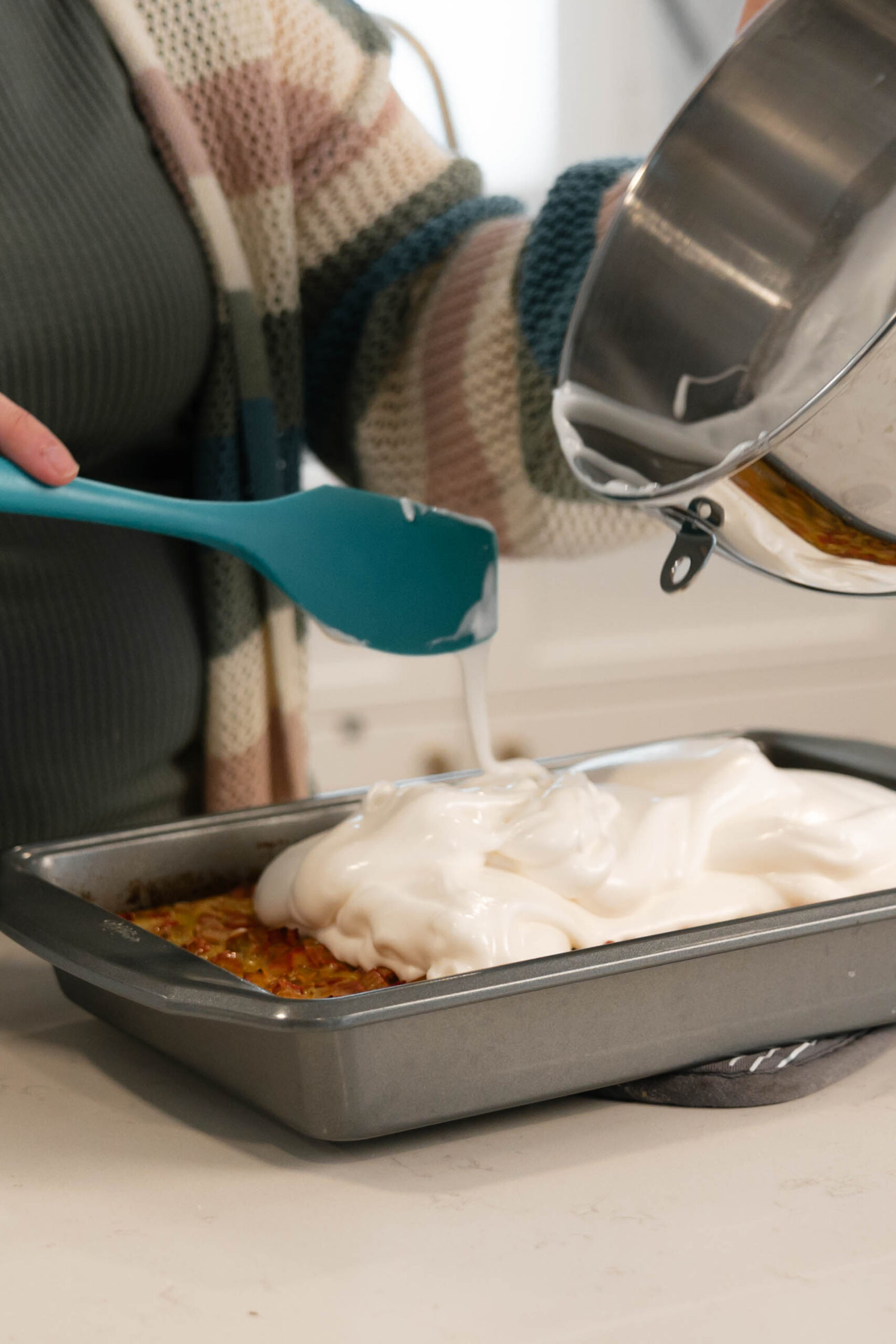
- Beat together egg whites, vanilla extract, and salt, slowly adding the sugar. This will be the meringue, so mix in a mixer until stiff peaks form.
- Spread over the custard and bake for 10-15 minutes until browned.
Recipe Video
Notes
- Separate the whites and yolks while eggs are cold- the yolks will be less likely to break!